Grand Launch of the Redmond Chinese American Legacies Digital Exhibition
Ling Shen Ching Tze Temple in Seattle Invited as an Honorary Guest to Deliver Remarks, Witnessing Cross-Generational Cultural Heritage Transmission
【LSCTT / Report by LC】
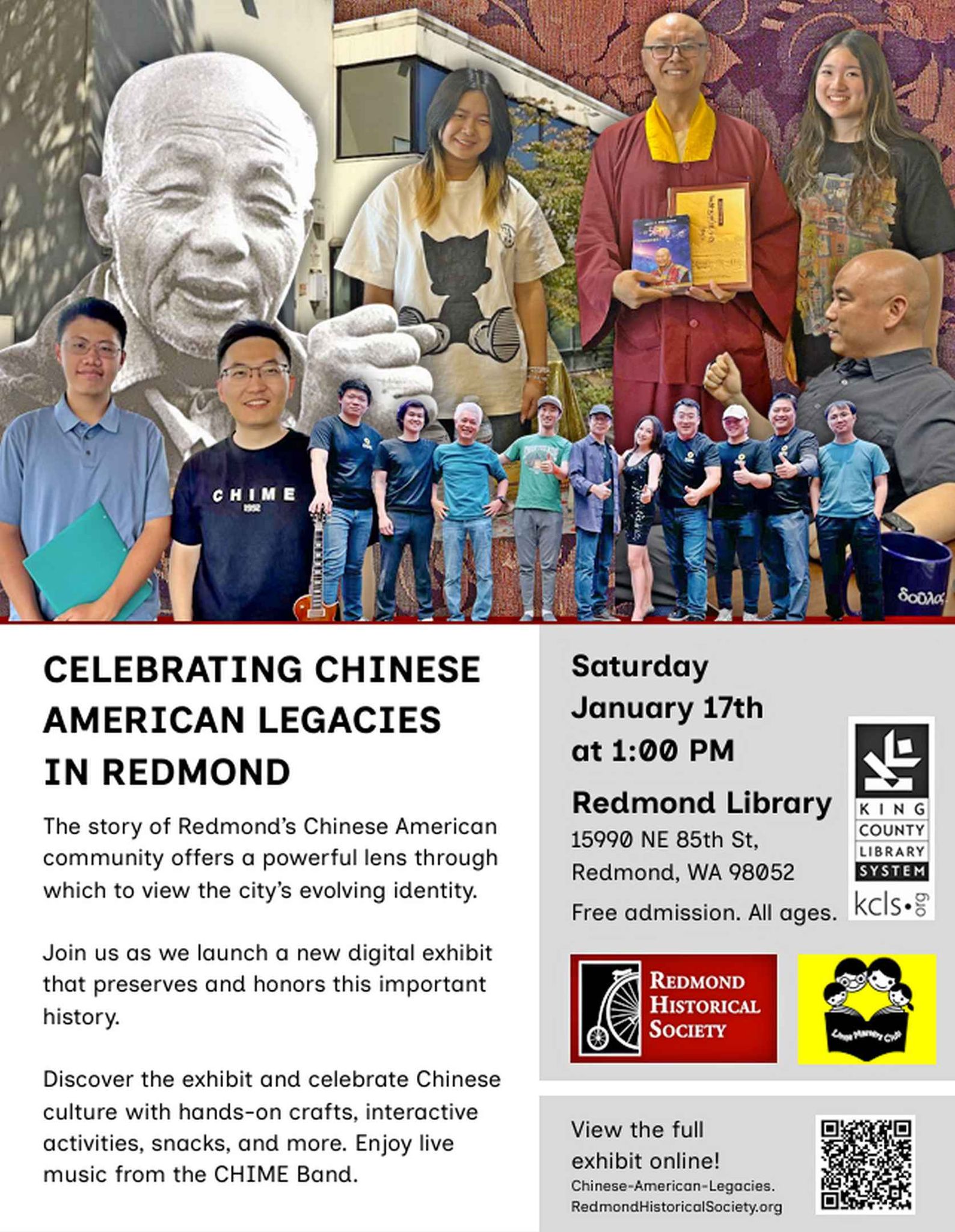
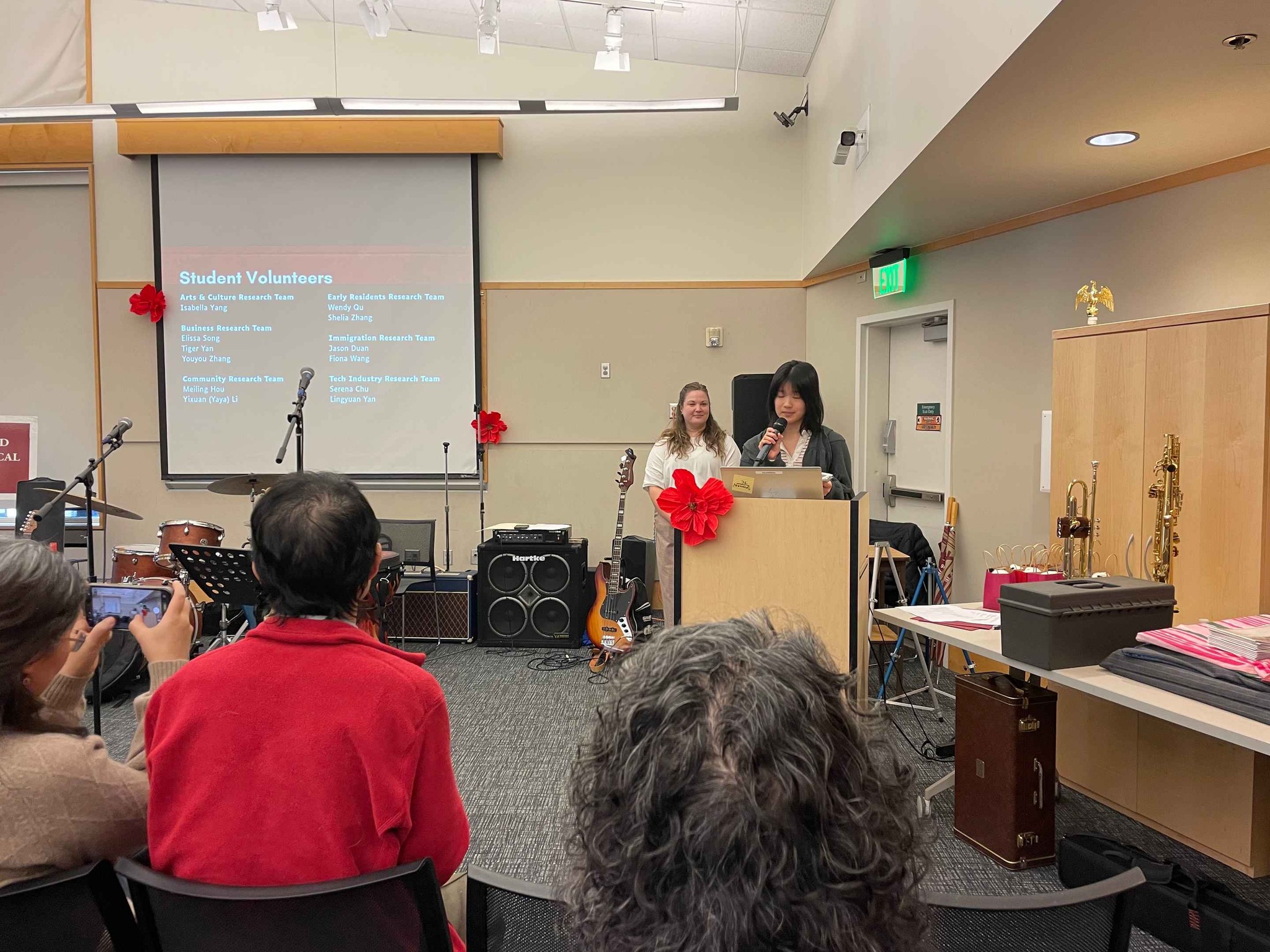
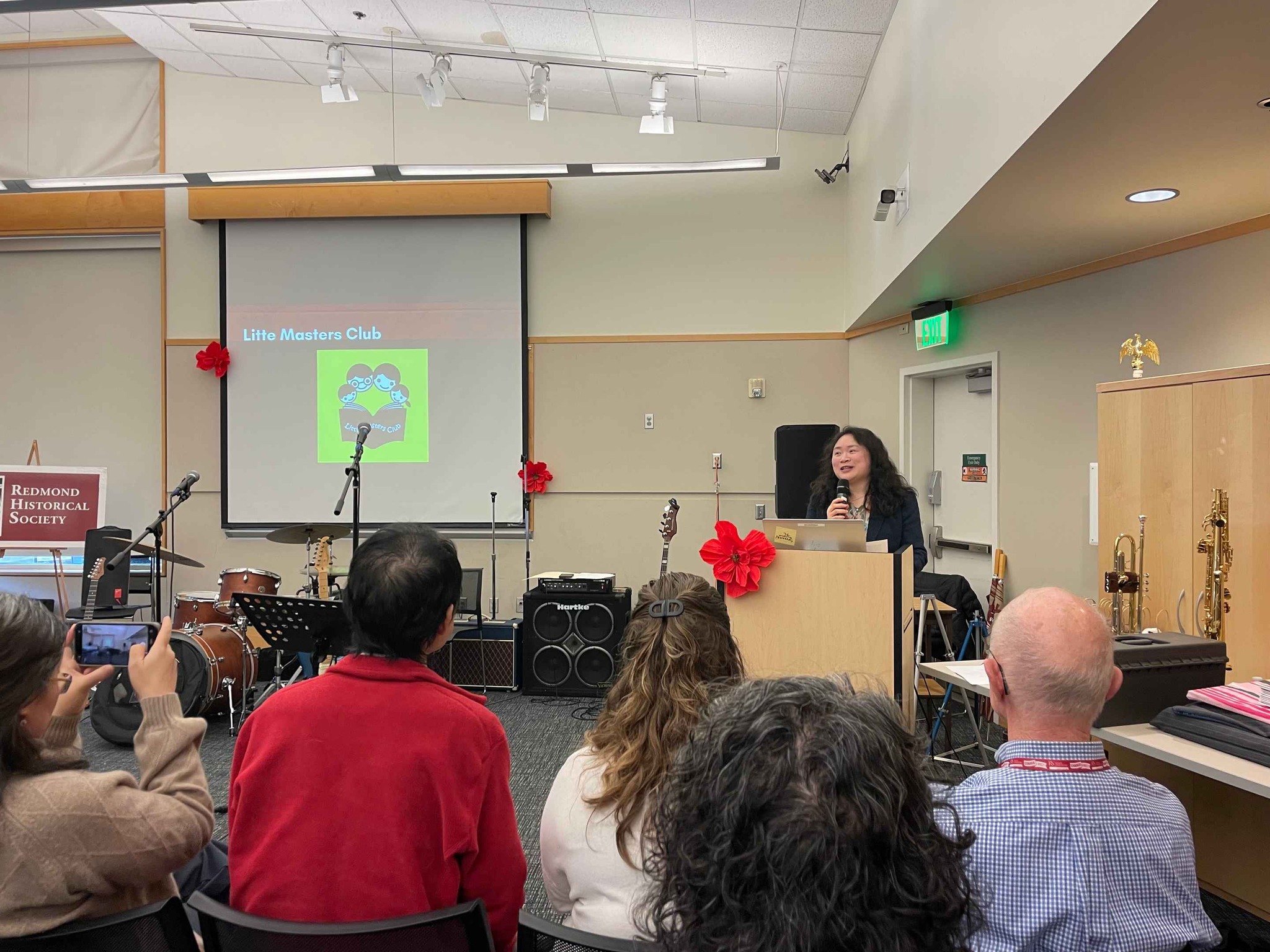
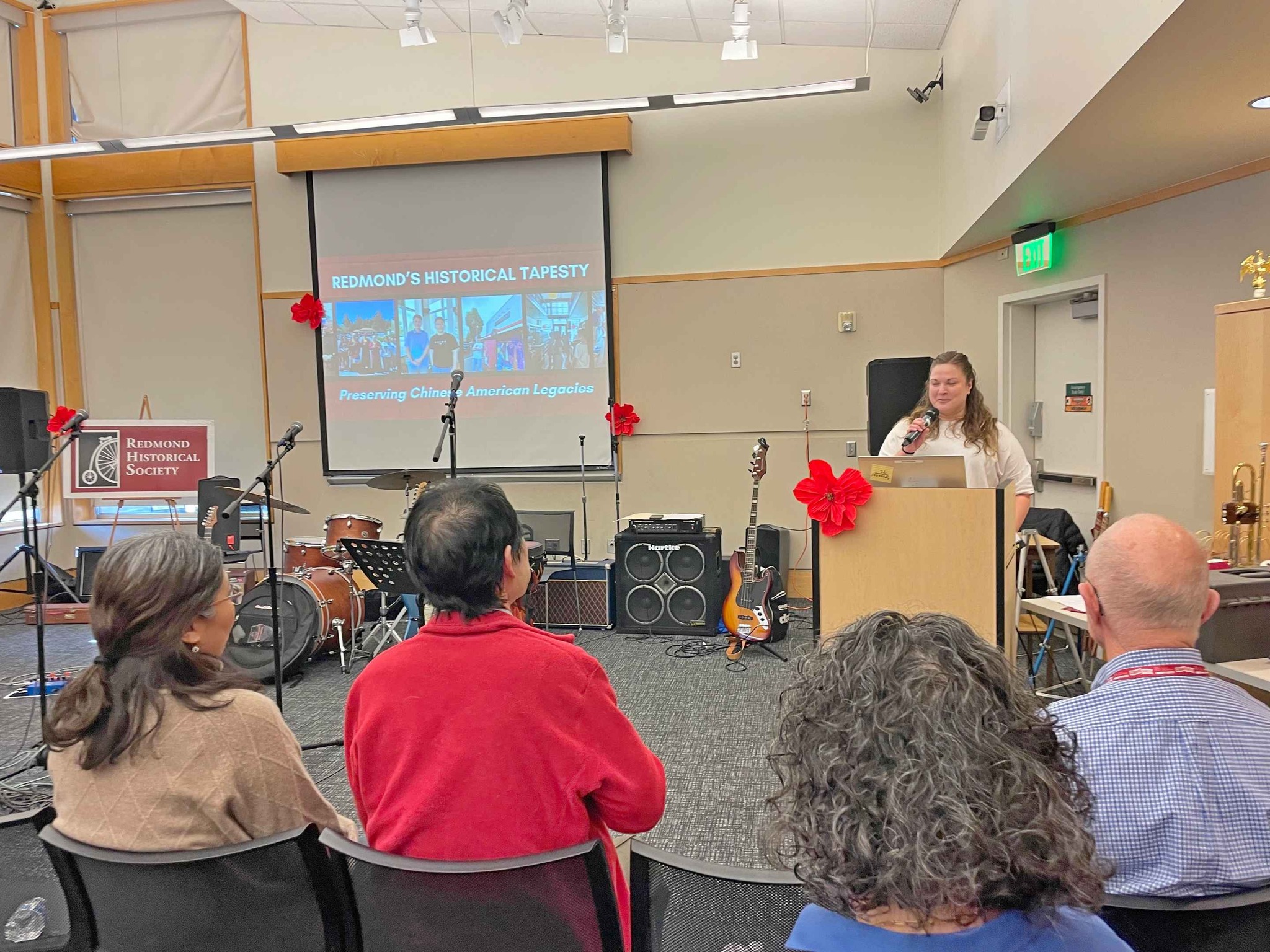
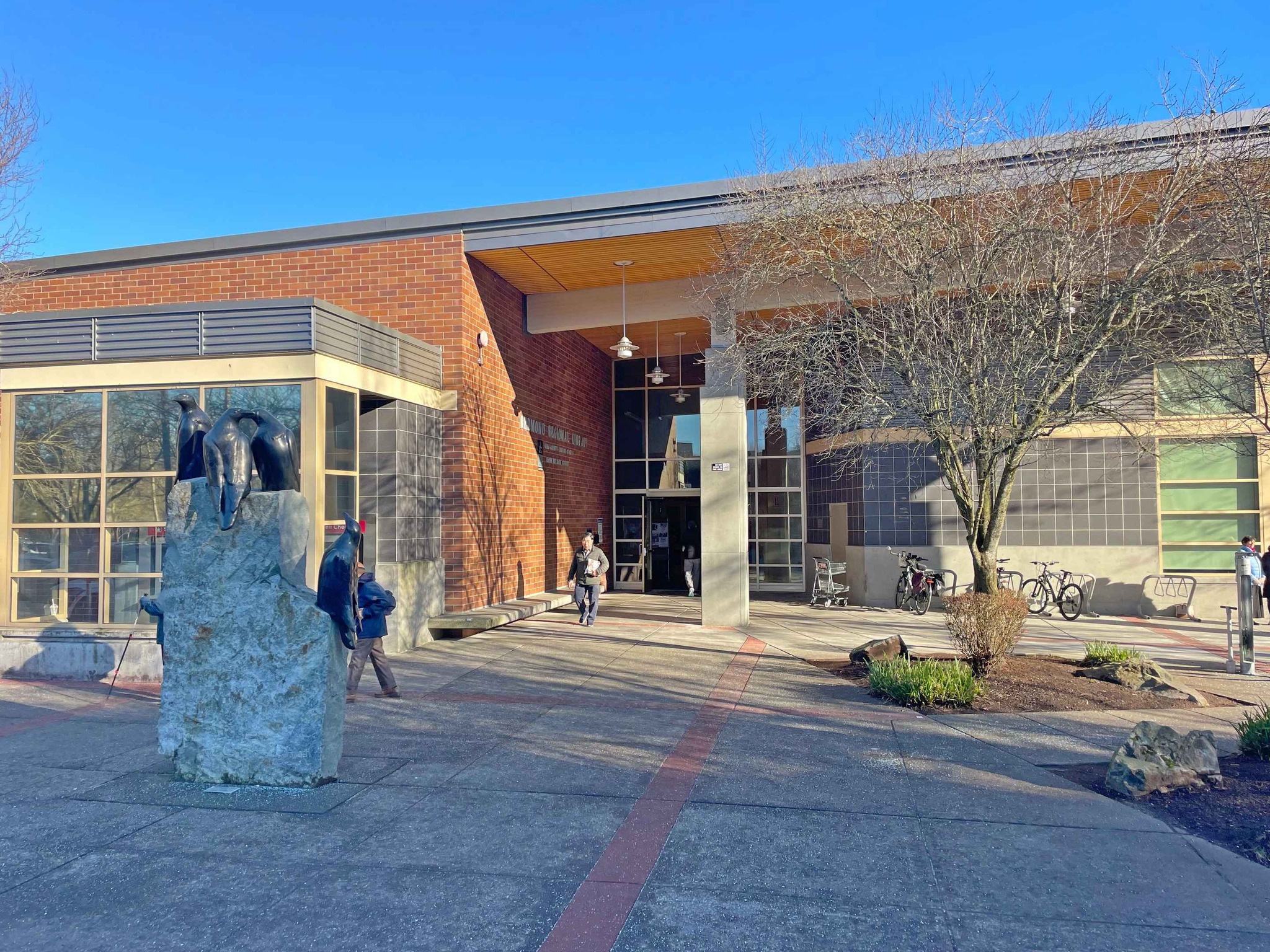
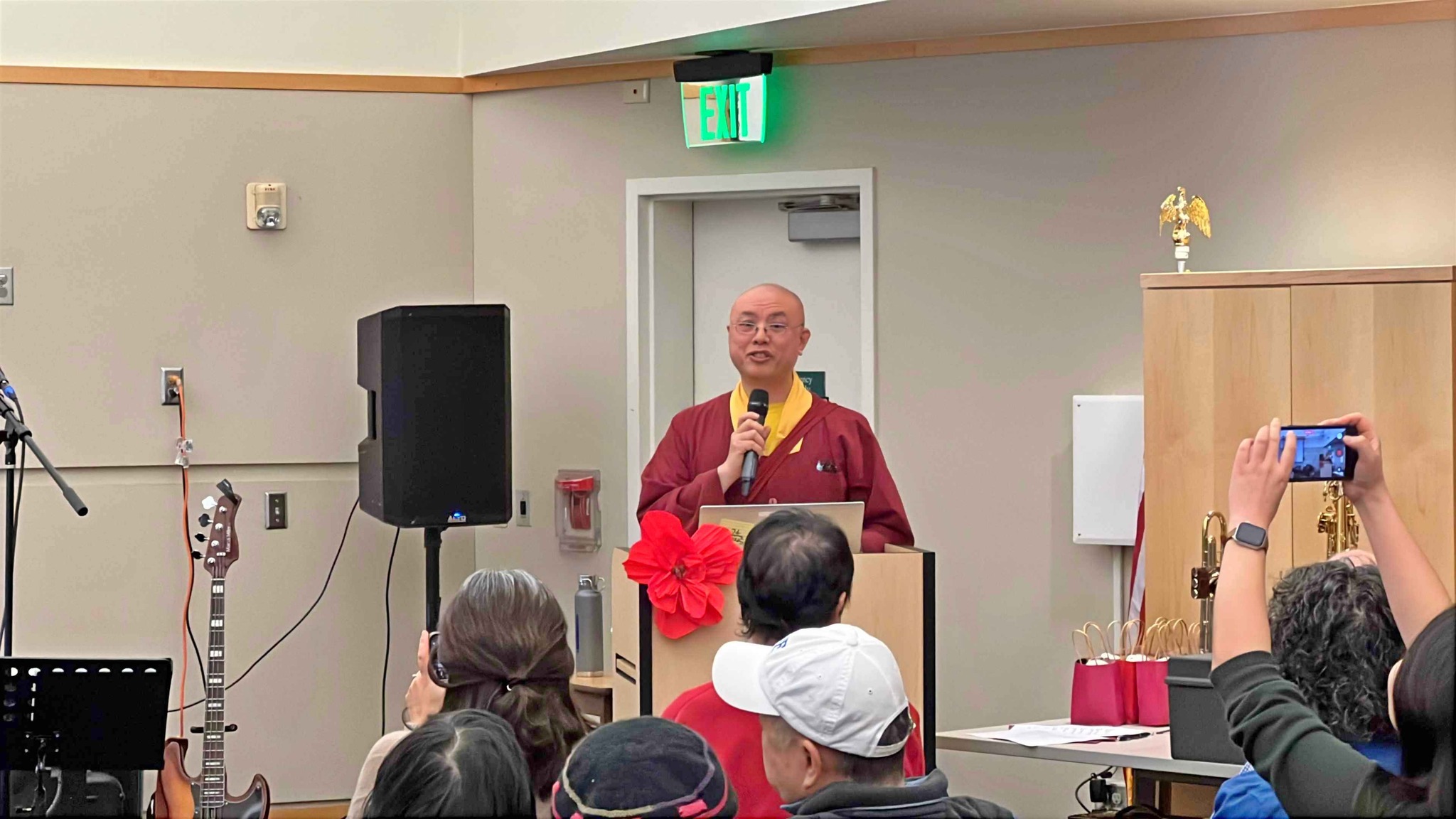
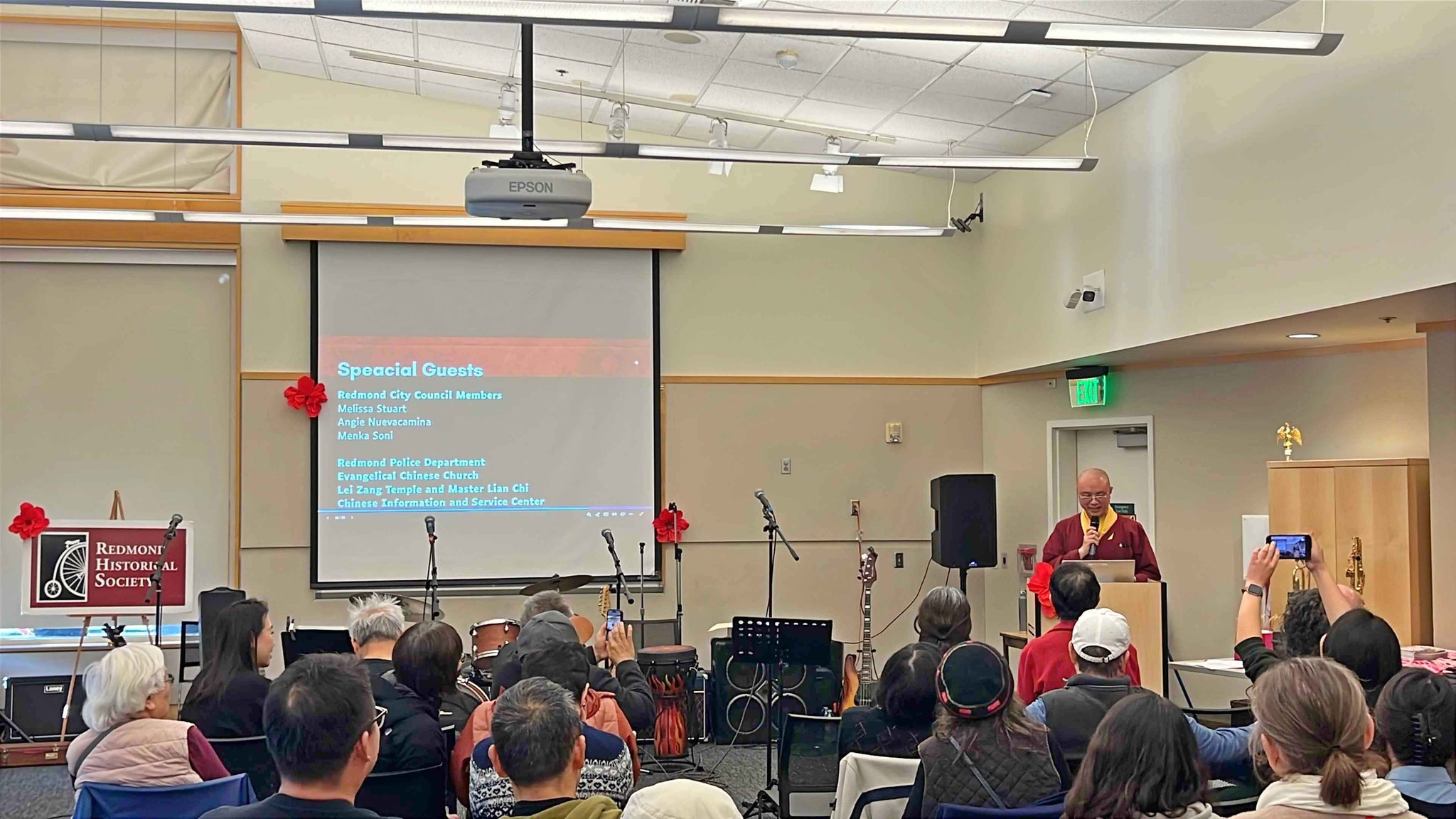
At 1:00 PM on January 17, 2026, the digital exhibition launch of “Redmond’s Historical Tapestry: Preserving Chinese American Legacies,” jointly organized by the Redmond Historical Society and the Little Masters Club, was successfully held at the Redmond Library. Ling Shen Ching Tze Temple (LSCTT), also known as the Seattle Lei Zang Temple, was featured as one of the key research subjects and was invited to attend as an honored guest. On behalf of the temple, Master Lianchi delivered remarks in English (see Appendix for the full text), bearing witness to a precious chapter of Chinese immigrant history interwoven with the local community.
From a Student Interview to a Cultural Milestone
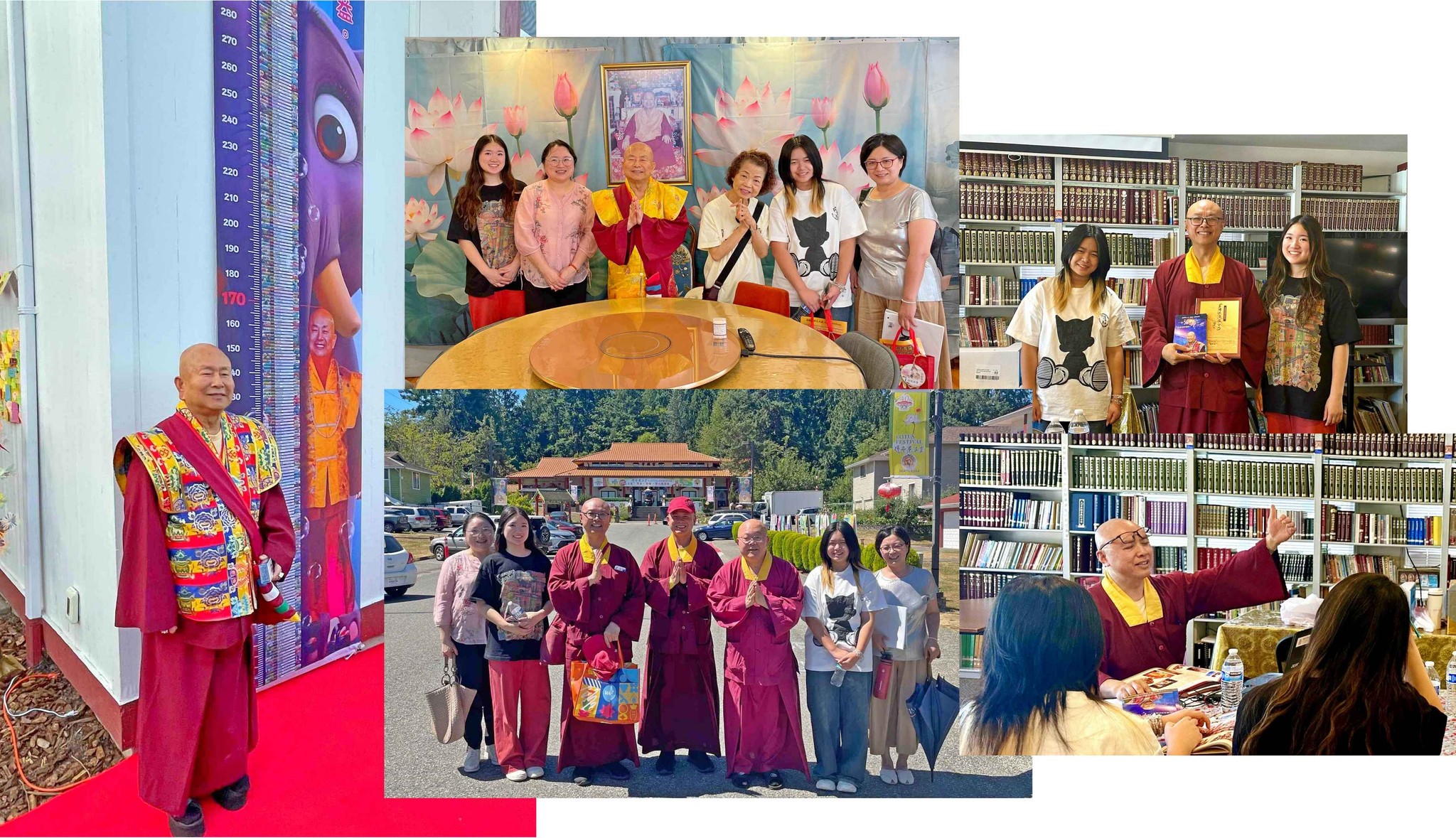
The origin of this exhibition can be traced back to August 14, 2025, when a Chinese American history research team composed of high school students Meiling and Yixuan visited LSCTT for an in-depth interview (see Appendix for the news link). Arranged by the organizers, Master Lianchi personally received the students and introduced the temple’s journey since its founding in 1985, including its religious mission, community service, charitable relief efforts, and cultural education initiatives.
The interview was later compiled into a research report (see Appendix for the full text) and became an important part of this digital exhibition. What began as a school research project has since evolved into a public exhibition, marking the successful culmination of this historical exploration. The digital exhibition is fully accessible online and features photographs, images, videos, and detailed research reports for each topic. The exhibition can be viewed at: https://chinese-american-legacies.redmondhistoricalsociety.org
(A bilingual summary of the digital exhibition is included in the Appendix of this article.)
Warm and Lively Atmosphere Filled with Cultural Exchange
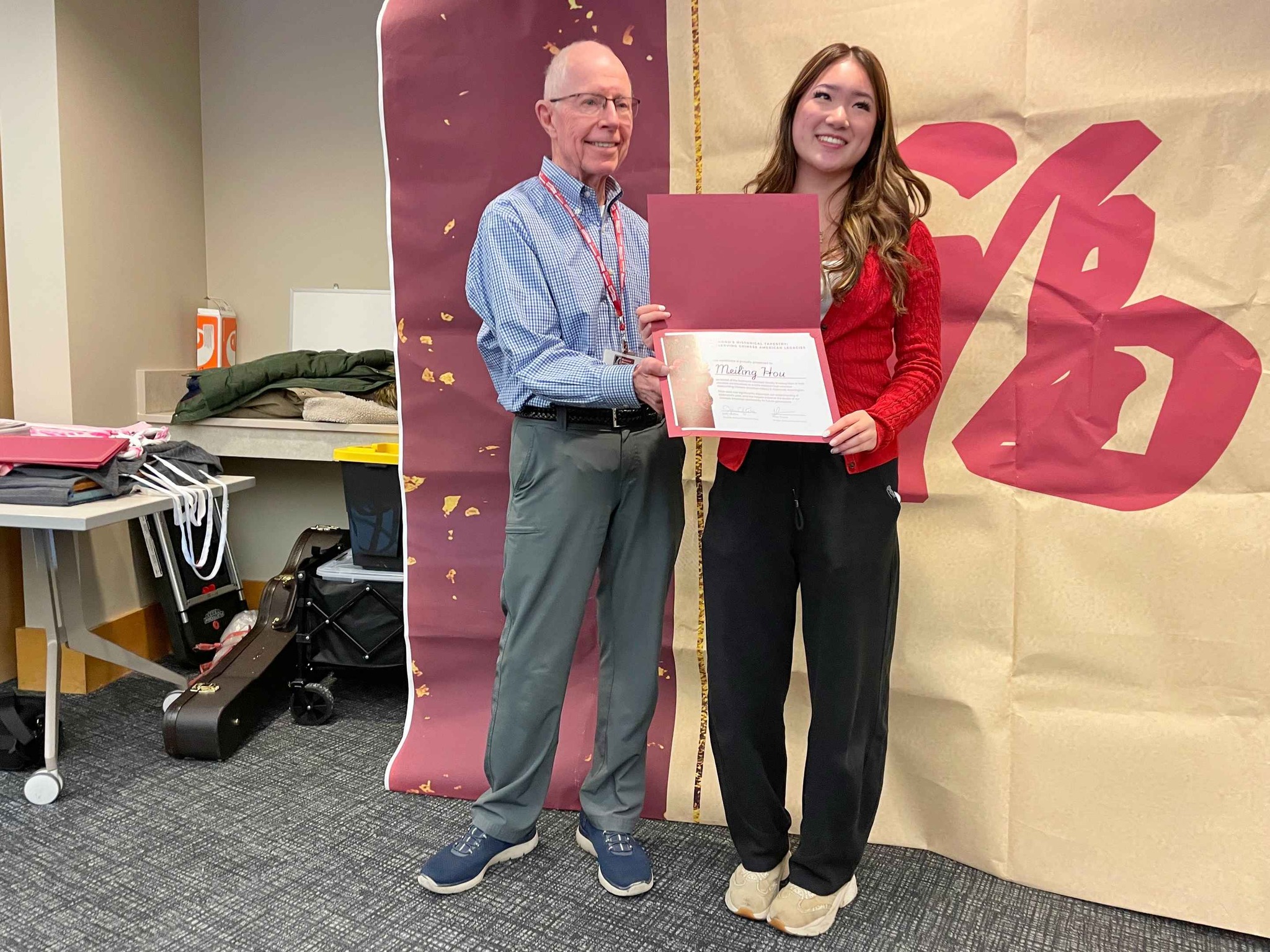
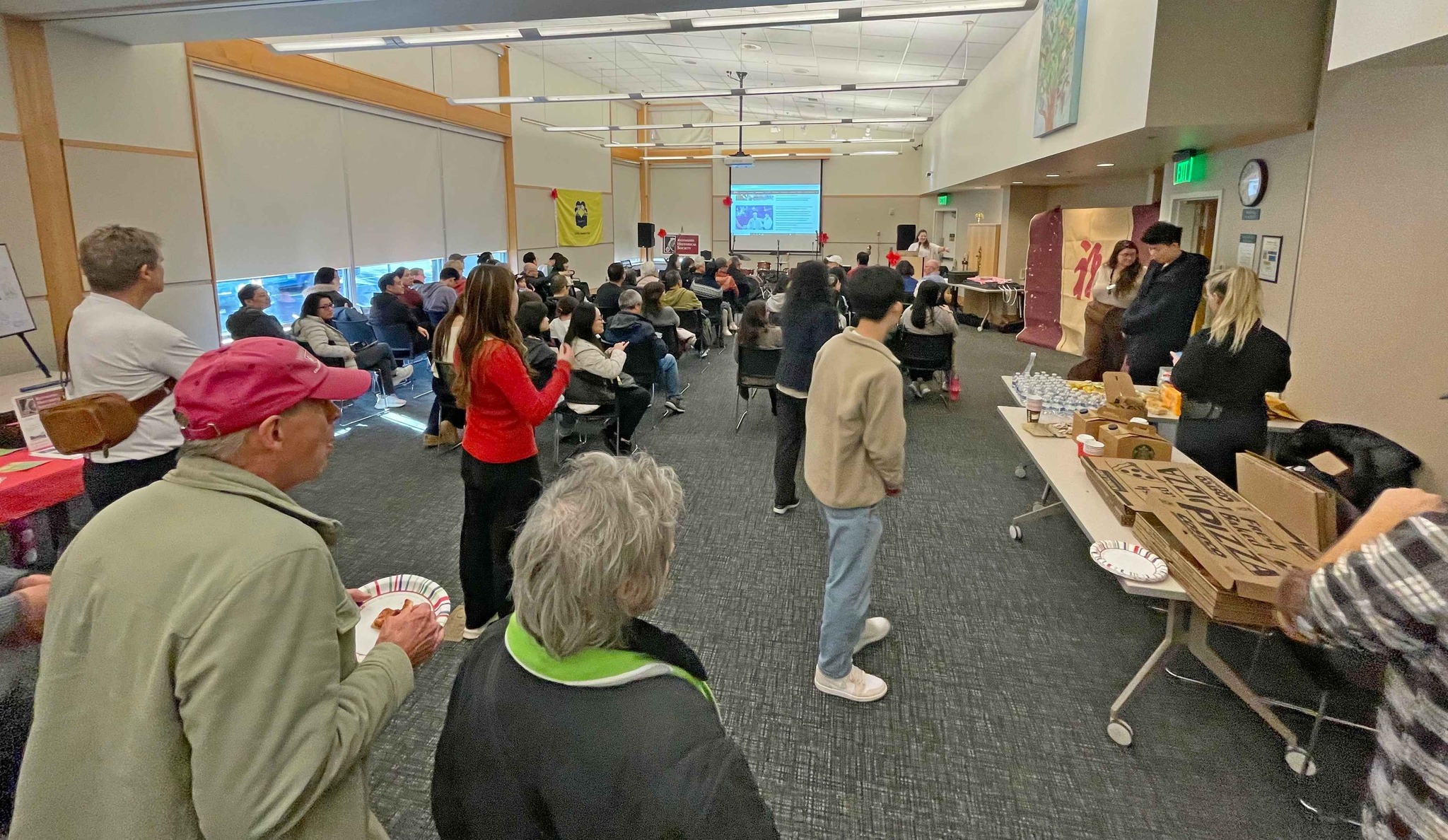
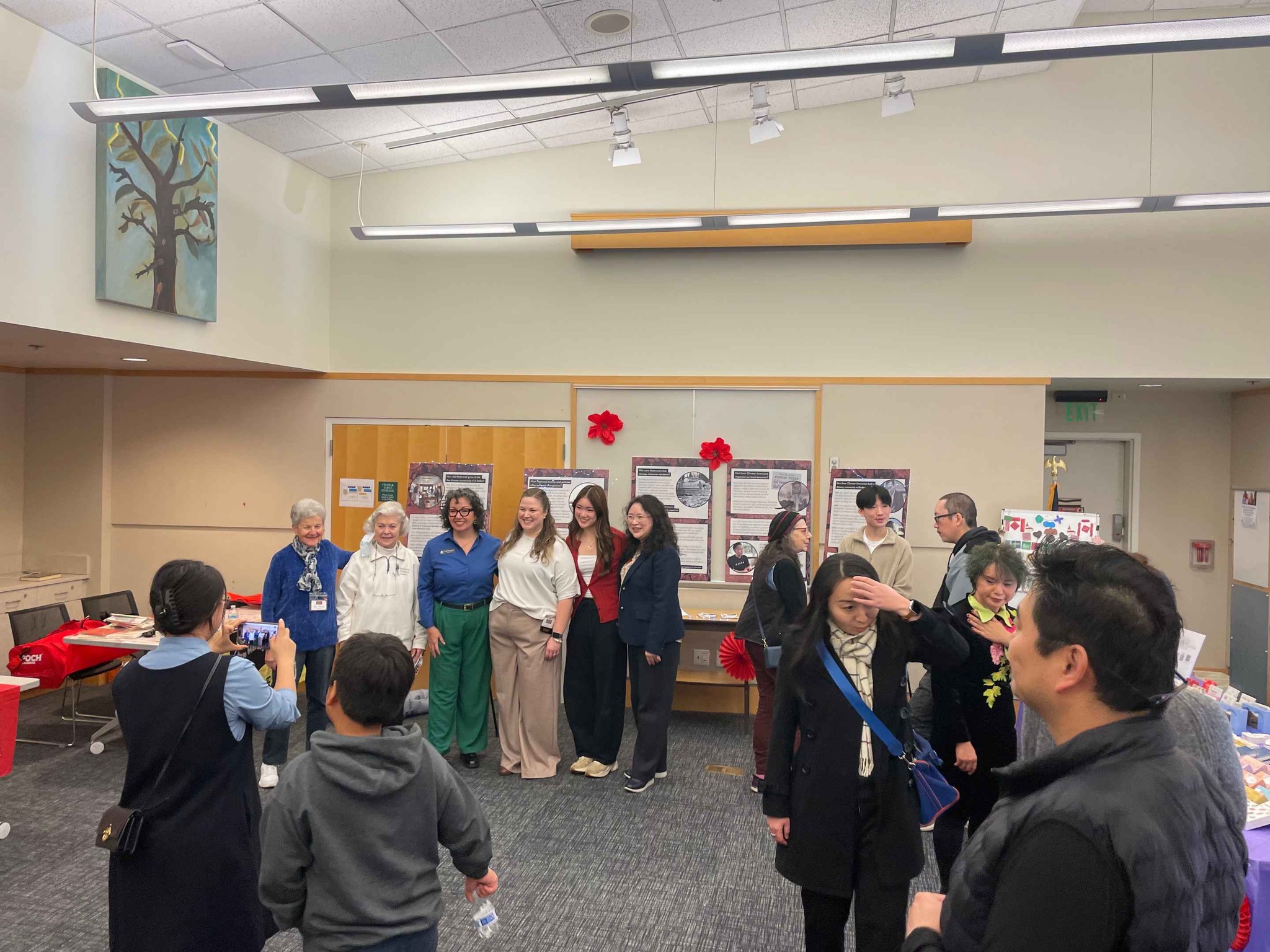
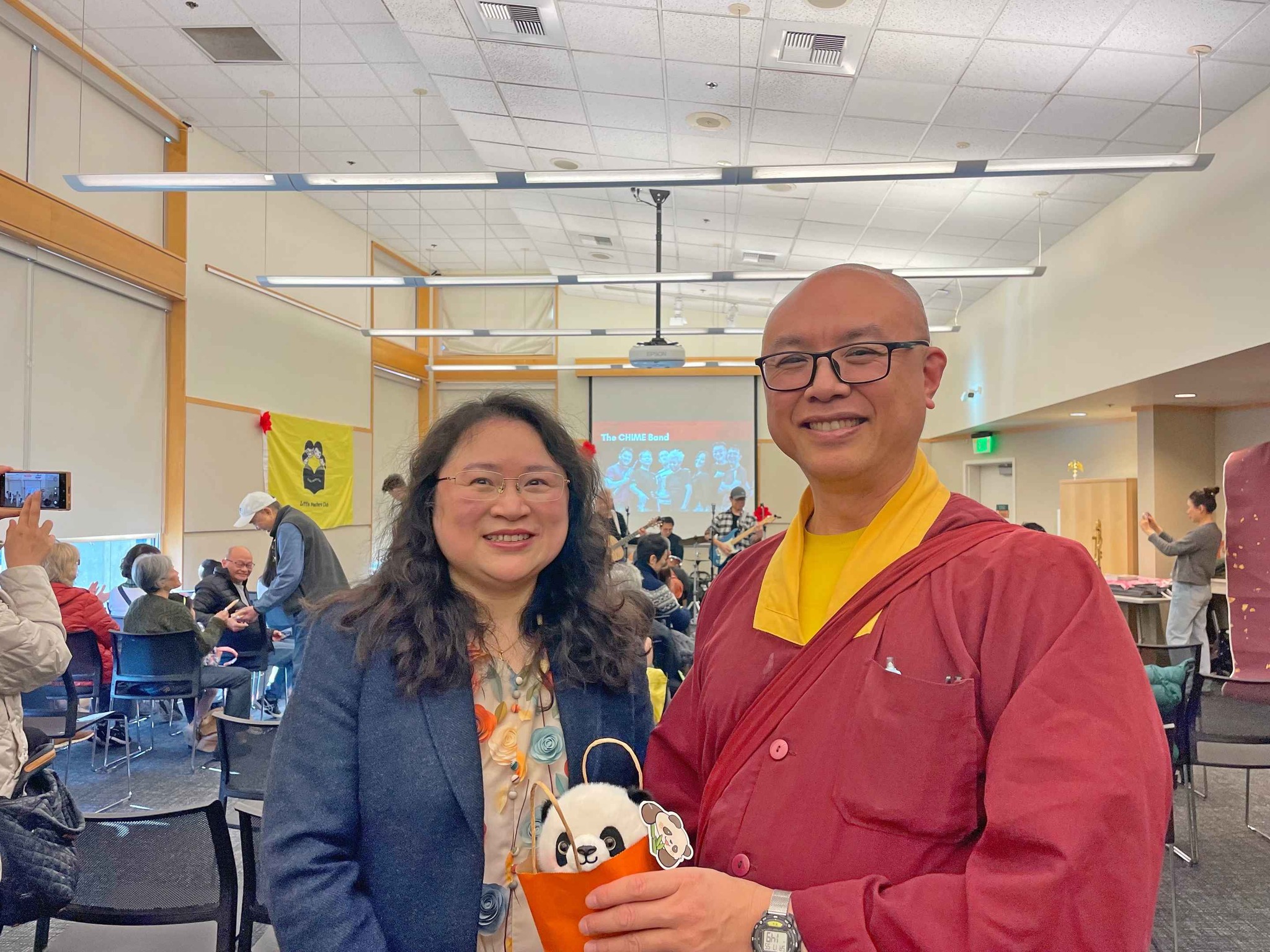
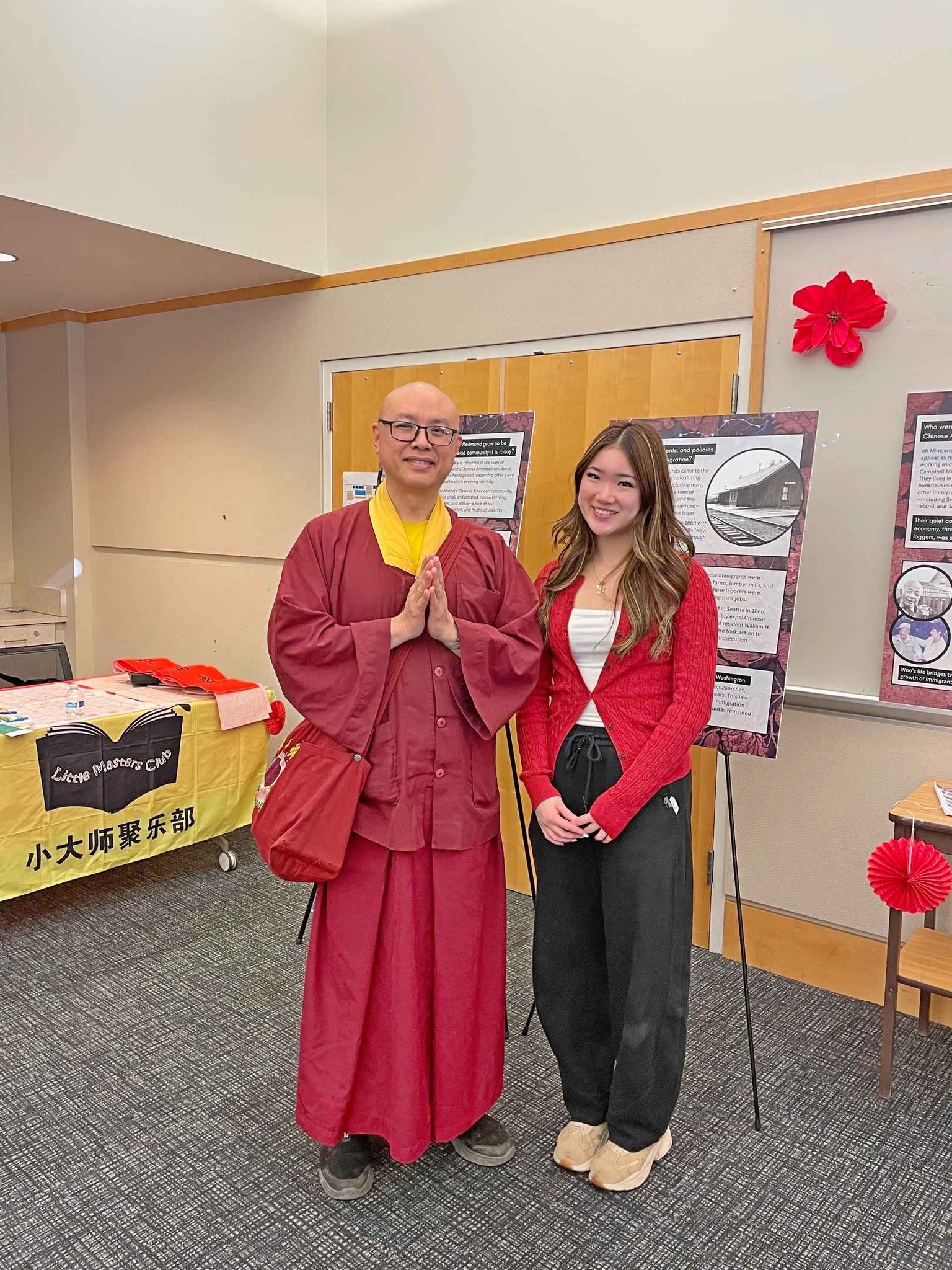
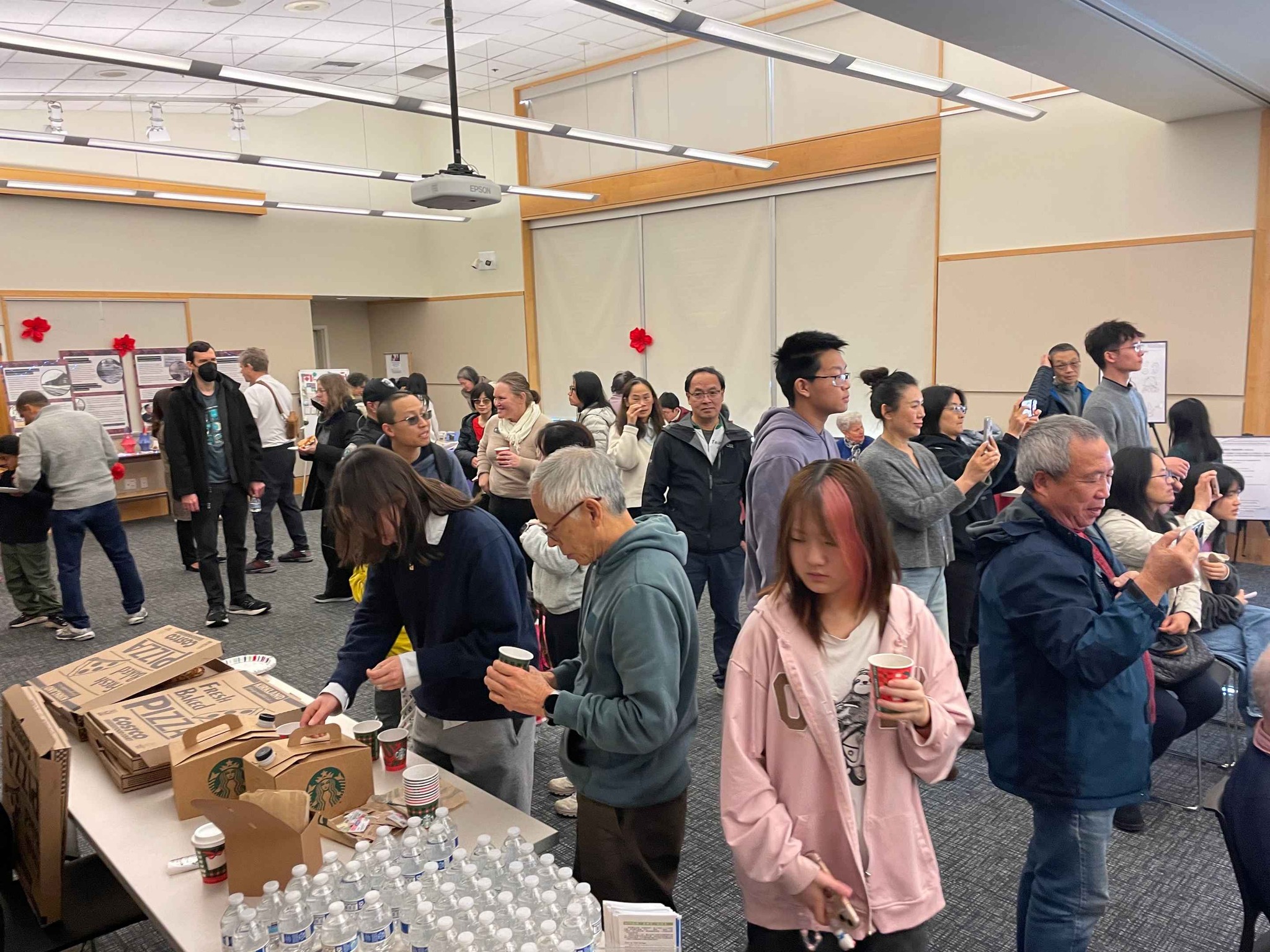
Before the event began, Master Lianchi arrived at the venue and was warmly welcomed by Ms. Li Chen, Director of the Little Masters Club, along with student researcher Meiling. More than one hundred community members and guests attended, creating a friendly and vibrant atmosphere.
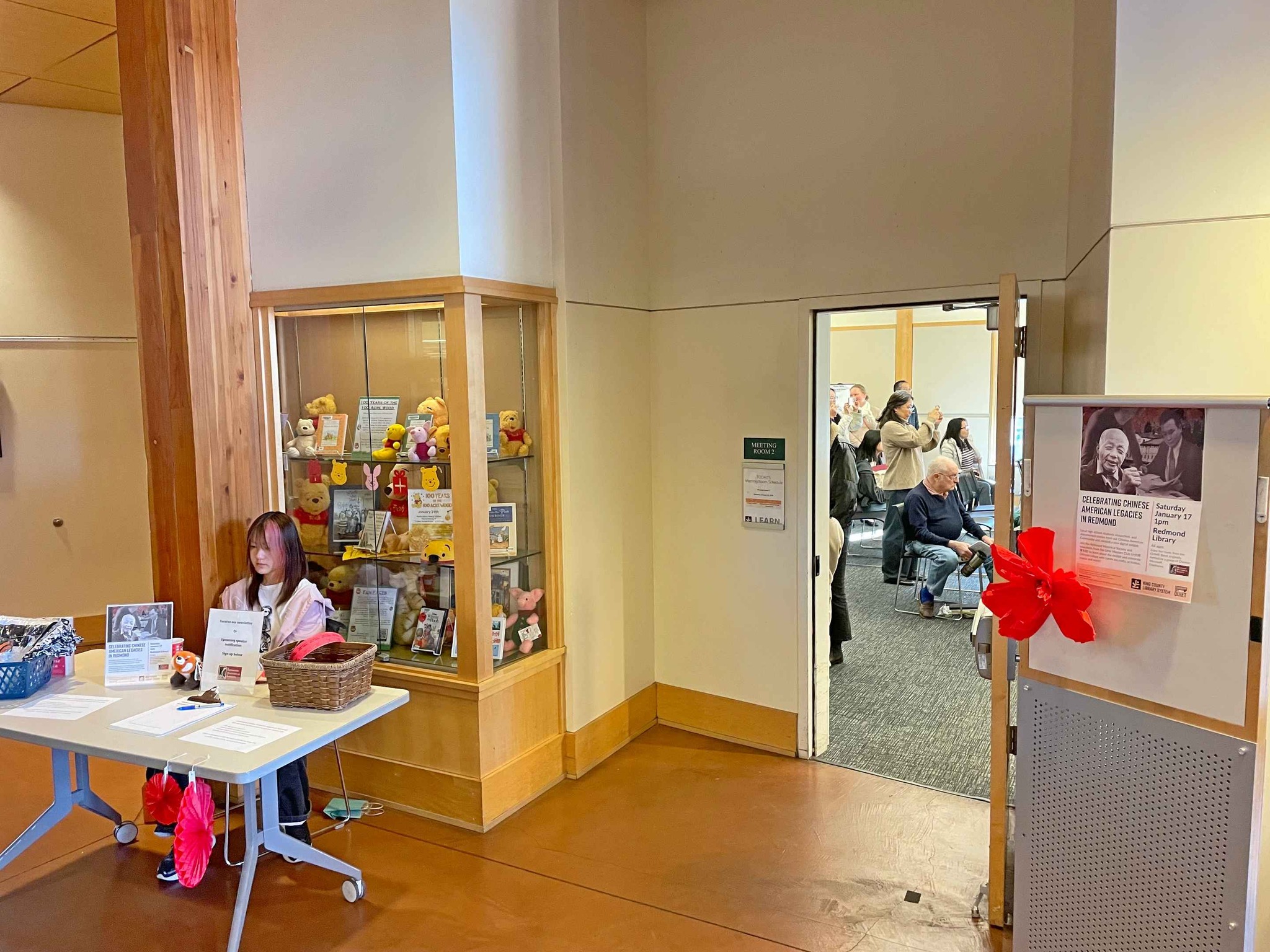
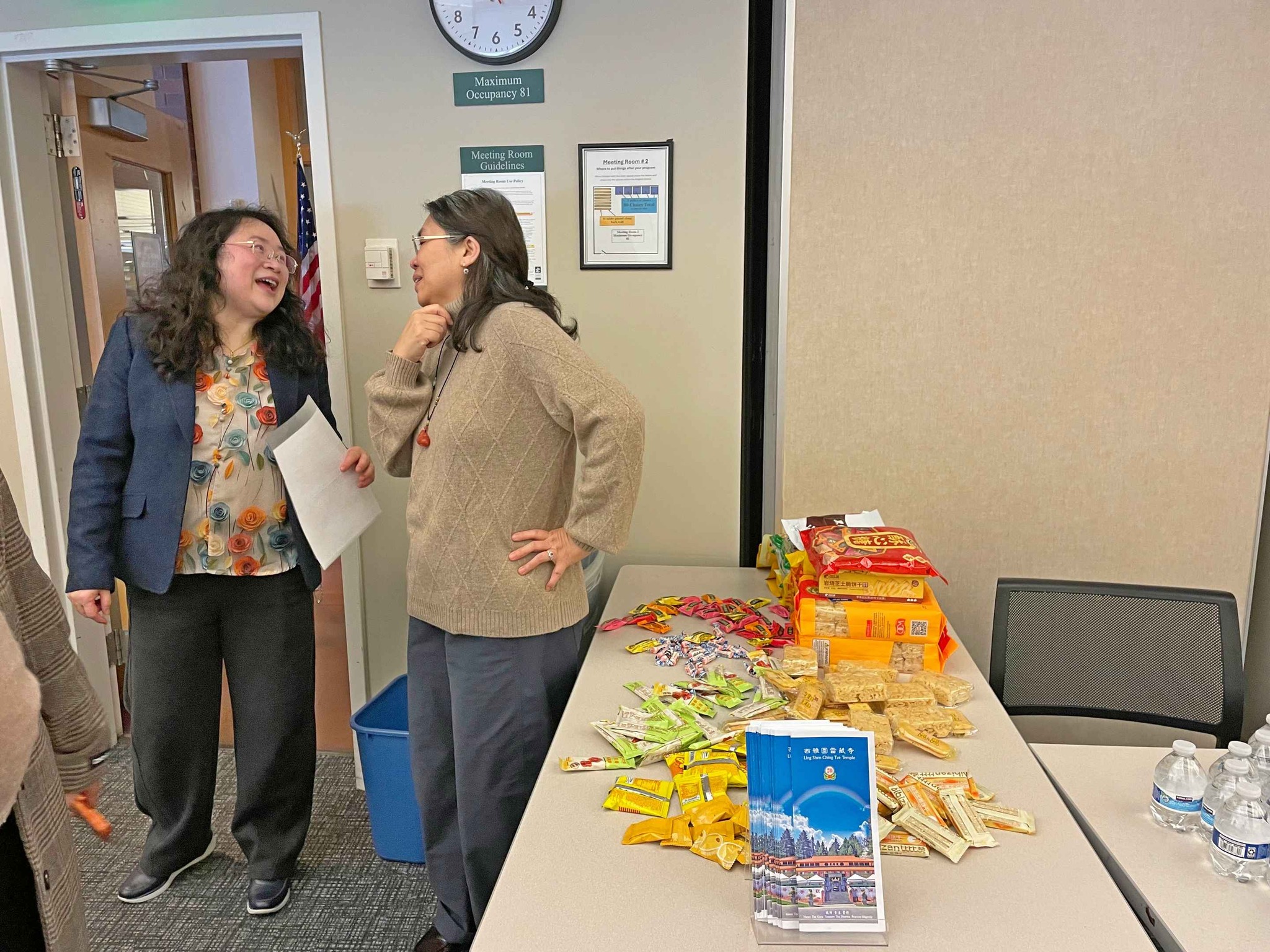
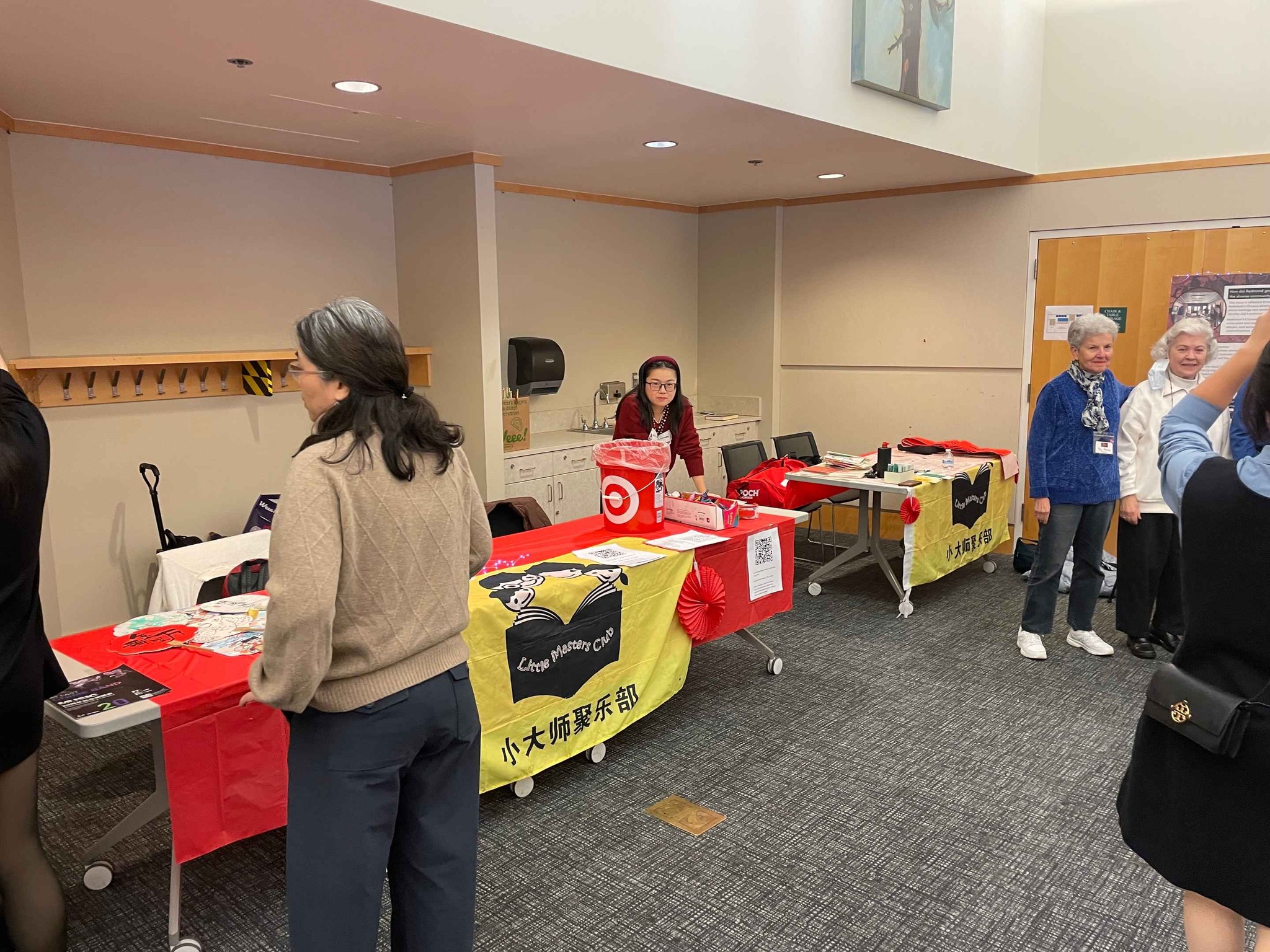
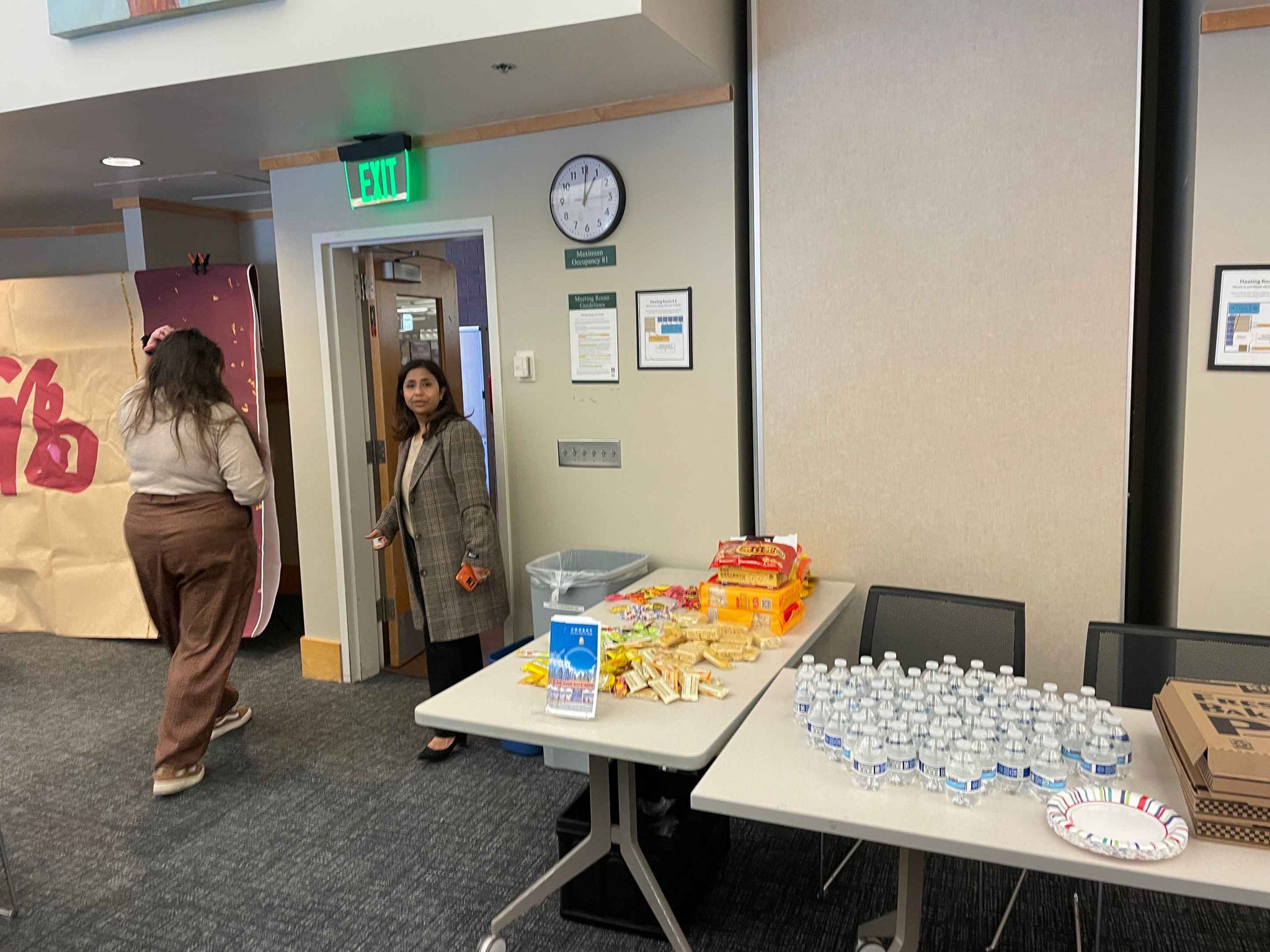
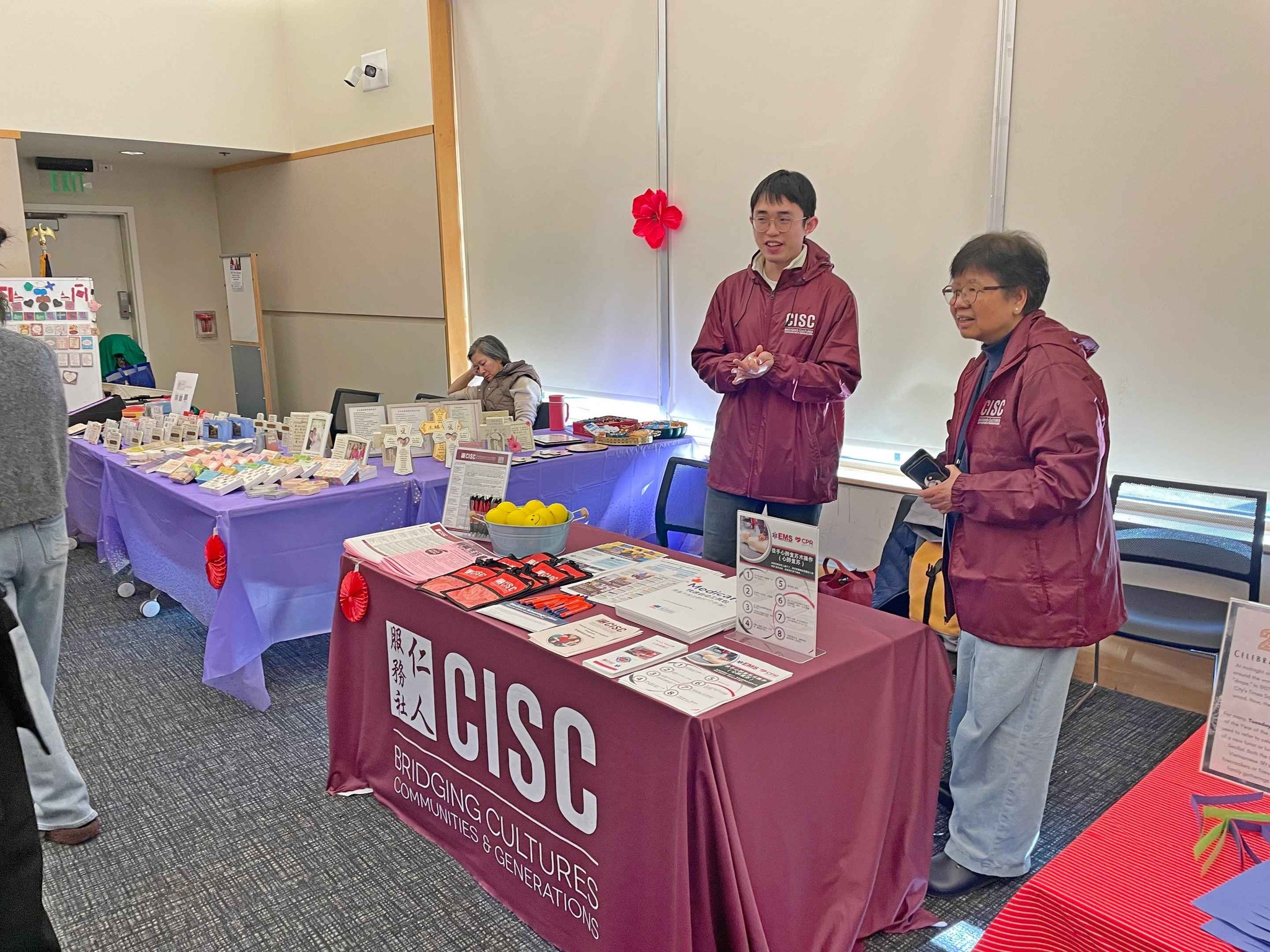
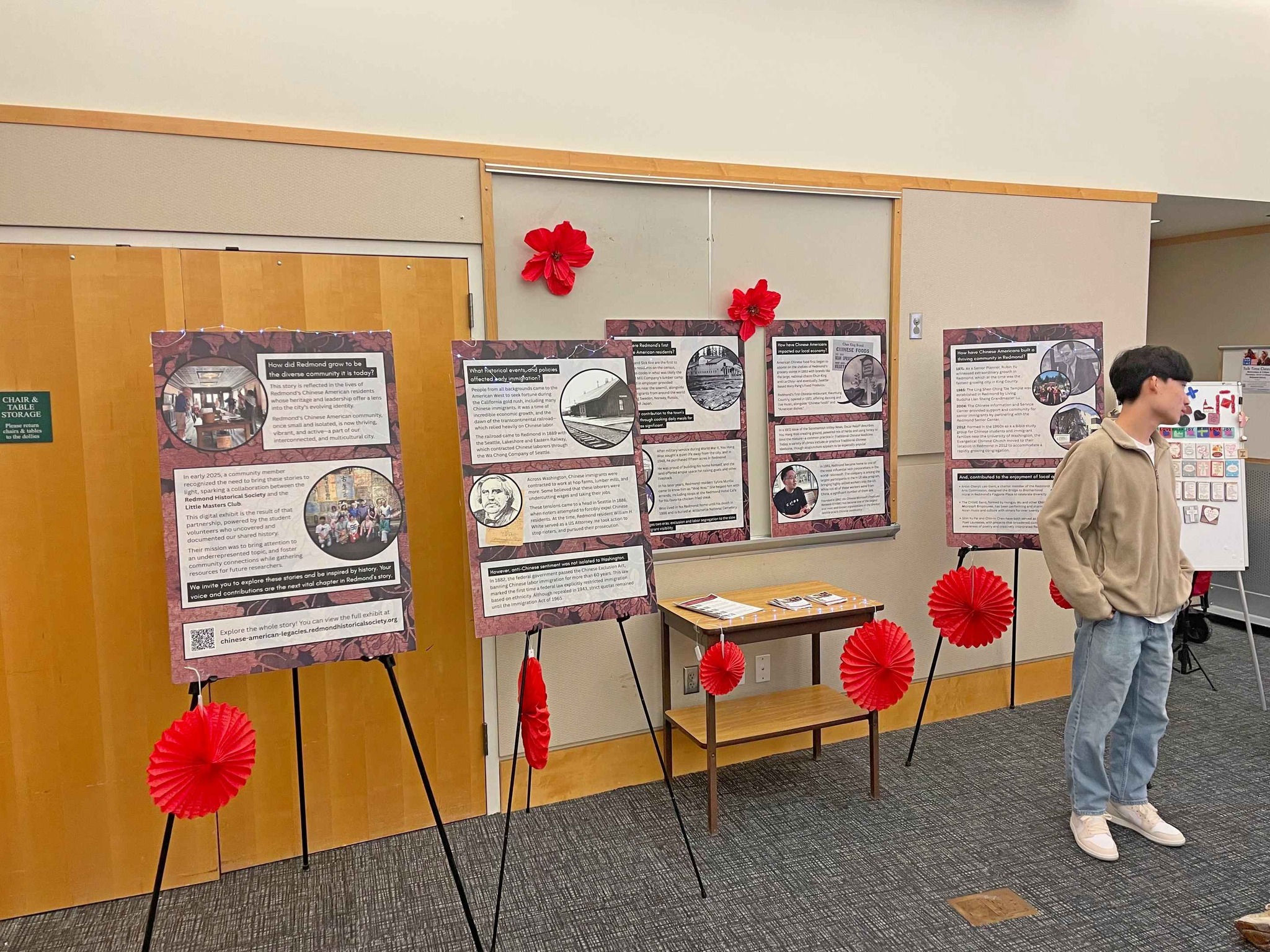
Bilingual brochures introducing LSCTT were displayed beside the refreshment table, attracting many visitors to stop, read, and learn more. At the back of the venue, five large display panels highlighted key elements of the digital exhibition, with the rightmost panel featuring photographs and an overview of LSCTT. Booths were also set up along both sides of the space, offering cultural crafts, interactive activities, and consultation services, reflecting the organizers’ vision of bringing history closer to everyday life through hands-on engagement.
A delightful coincidence also took place: among the guests, Master Lianchi encountered Dharma Sister Qiu, a fellow practitioner working at Microsoft, who attended the event after noticing the temple mentioned on the event poster. She later joined the trivia session following the presentations and won a prize for correctly answering a question, adding yet another joyful moment to the day.
Opening Ceremony: Dignified and Diverse
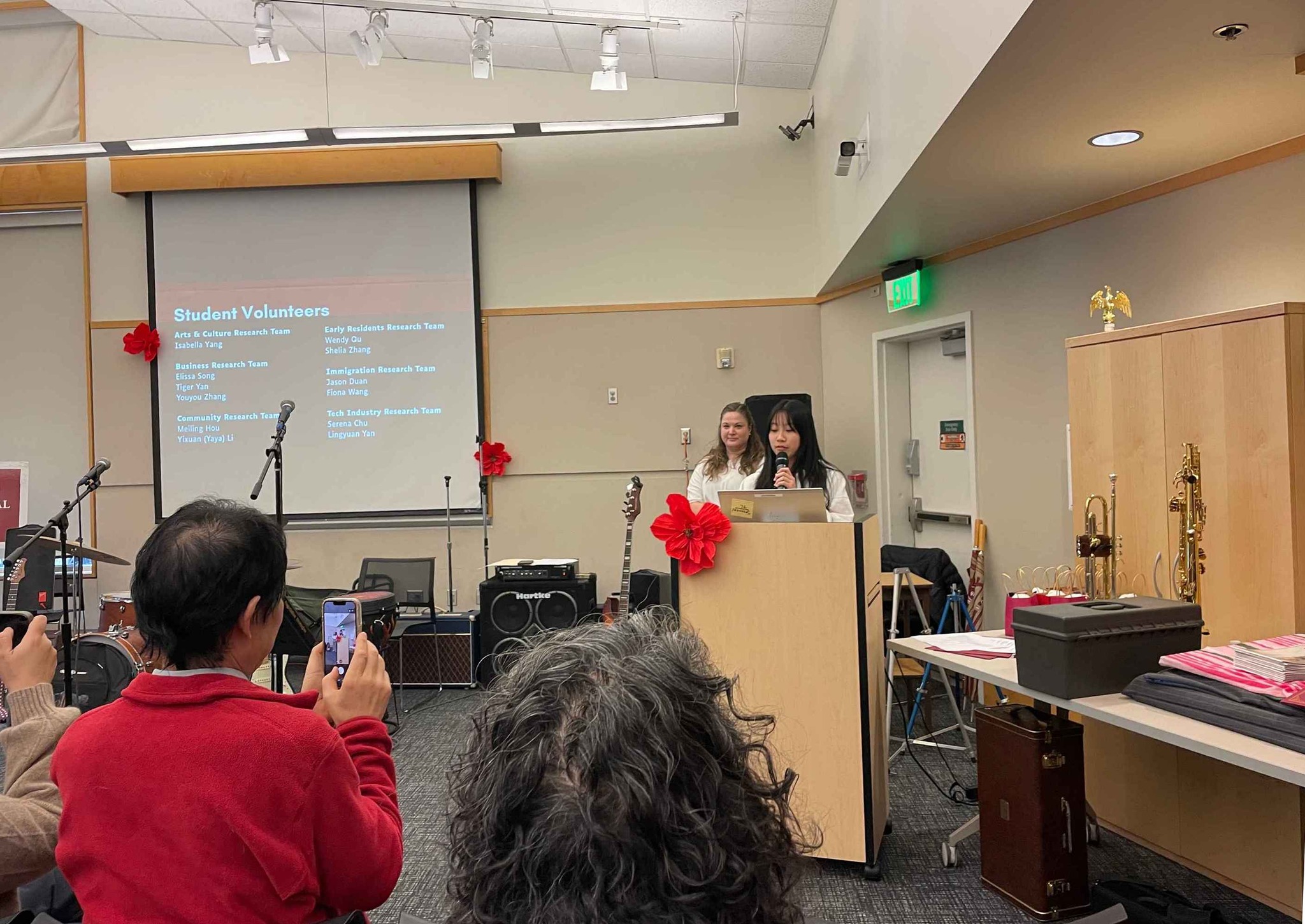
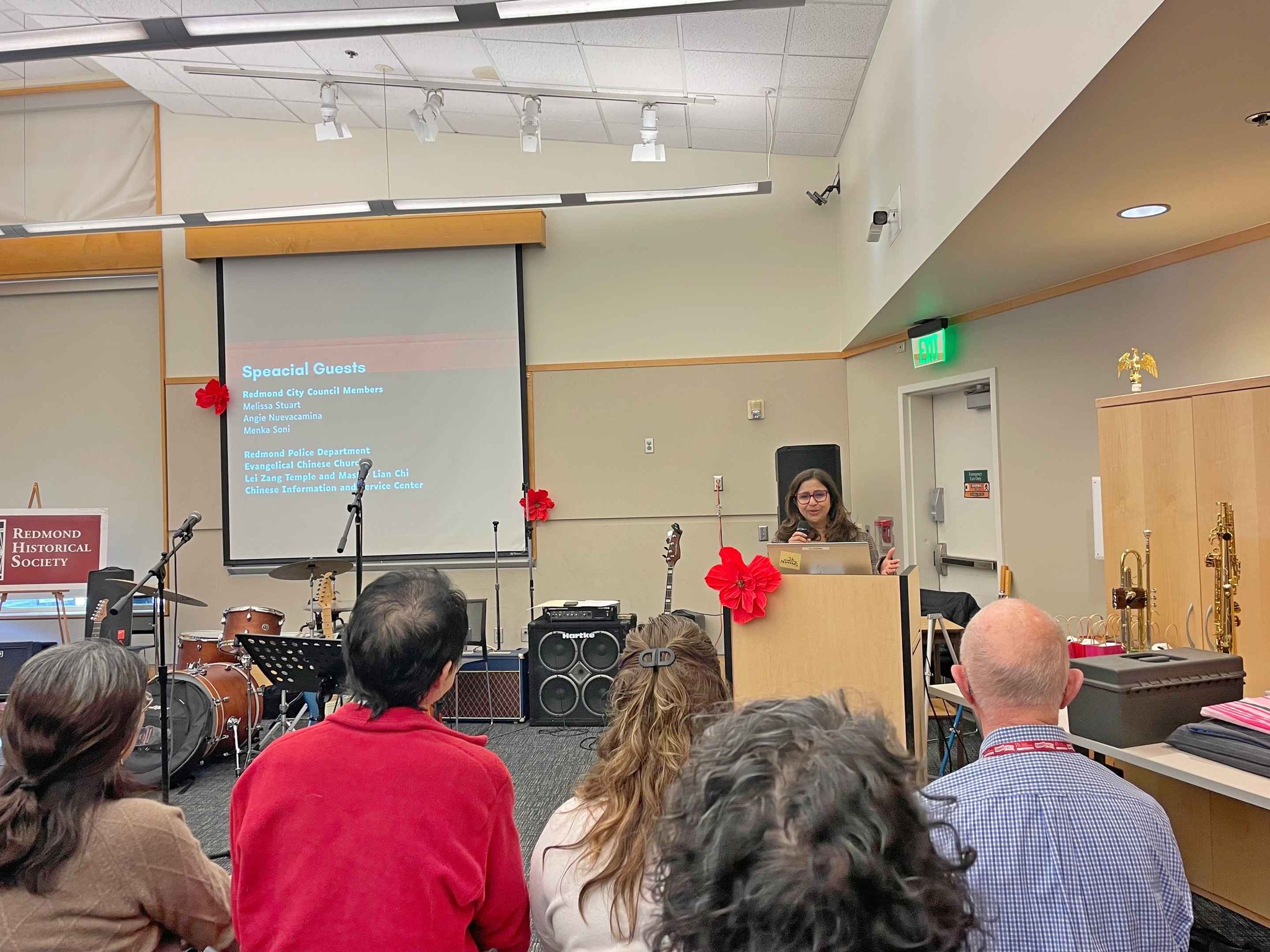
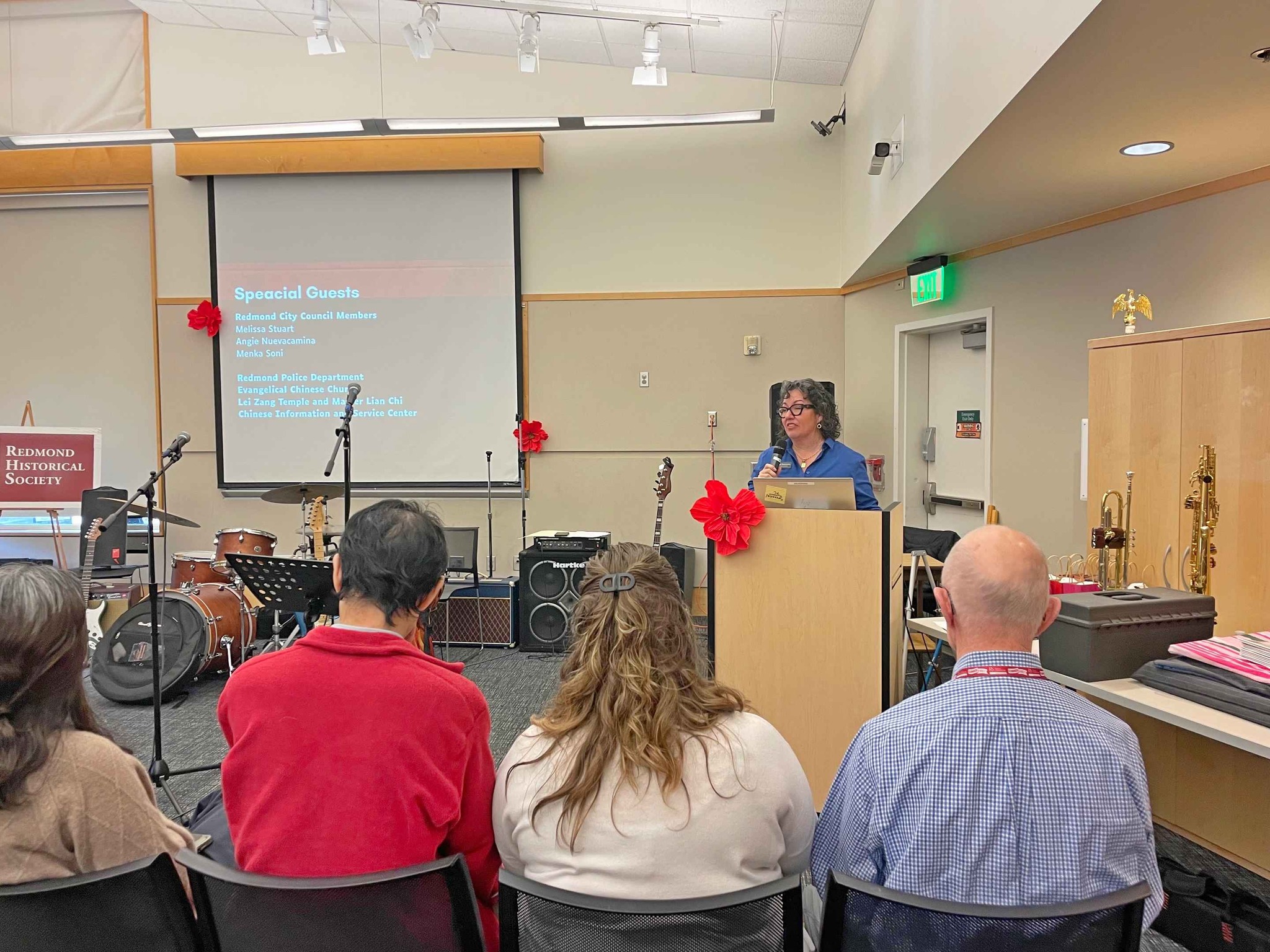
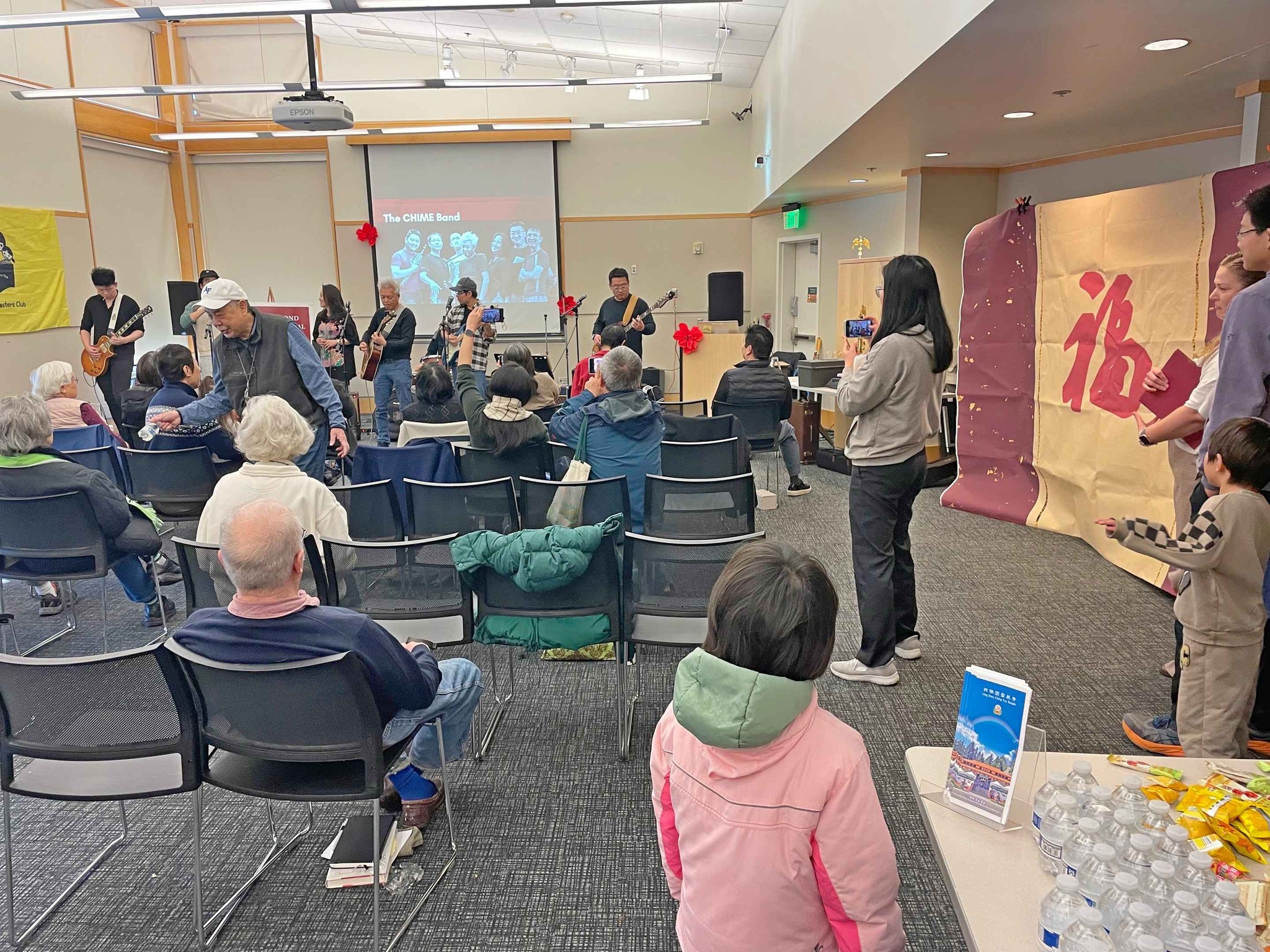
The program began at 12:45 PM with warm-up music by the CHIME Band, followed by the official opening ceremony at 1:00 PM. The program included:
Following the councilmembers’ speeches, Manager Halee Turner expressed special gratitude to the King County Library System, the Redmond Police Department, and the Evangelical Chinese Church of Seattle for their support and sponsorship. A police officer attended as a representative, and the church also set up a service booth, demonstrating the strength of cross-community collaboration.
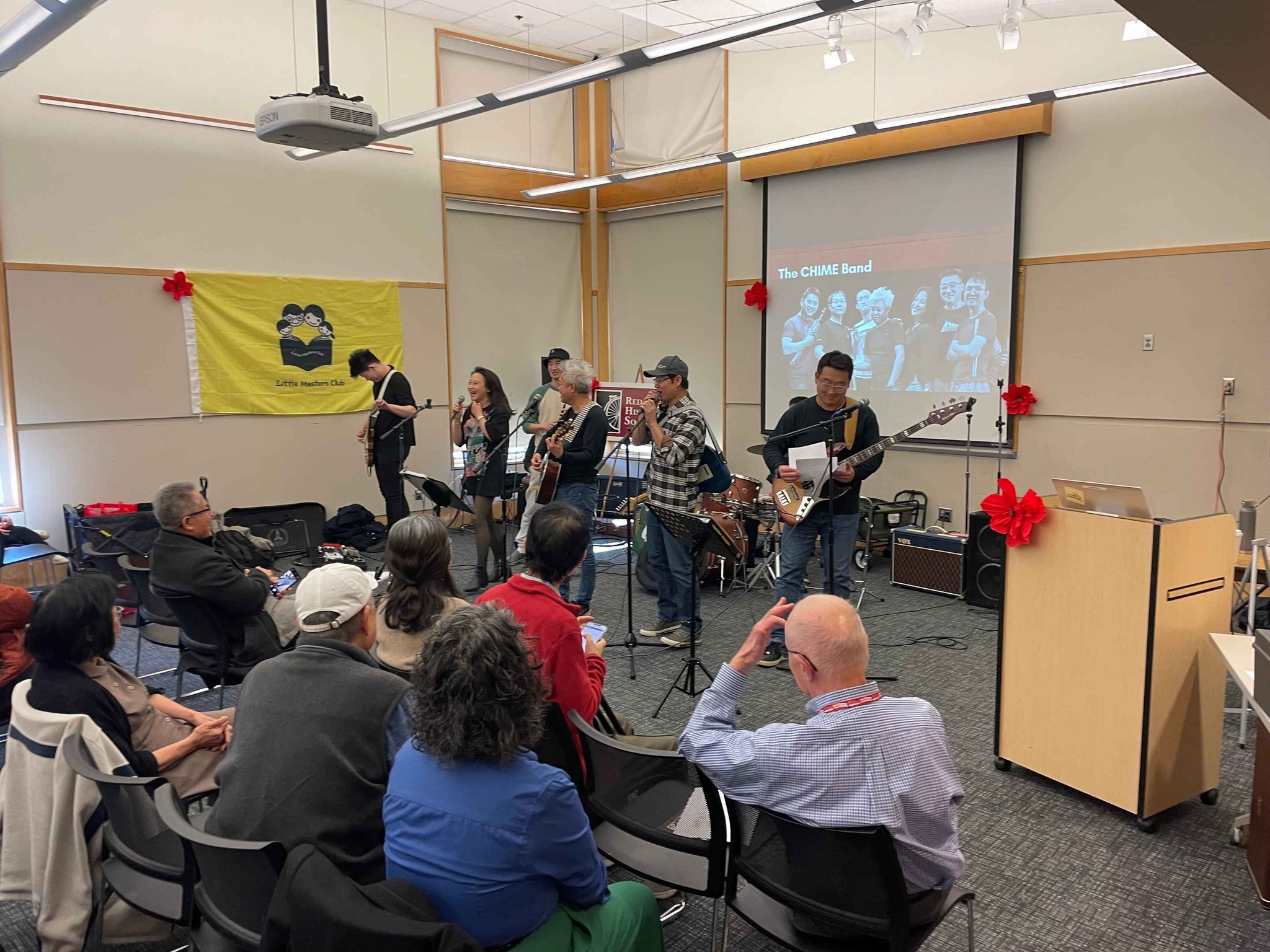
After the ceremony, the CHIME Band further energized the atmosphere, blending Western music with the traditional sound of the Chinese suona (嗩吶) to create a unique cross-cultural experience. The event continued until 4:00 PM with cultural arts, crafts, and interactive activities, offering both historical depth and joyful engagement.
LSCTT: An Important Page in Local History
Founded in 1985, LSCTT is the first Chinese Buddhist temple established in Redmond. For four decades, guided by the teachings of its founder, Living Buddha Liansheng, the temple has been dedicated not only to spiritual cultivation but also to community service, including:
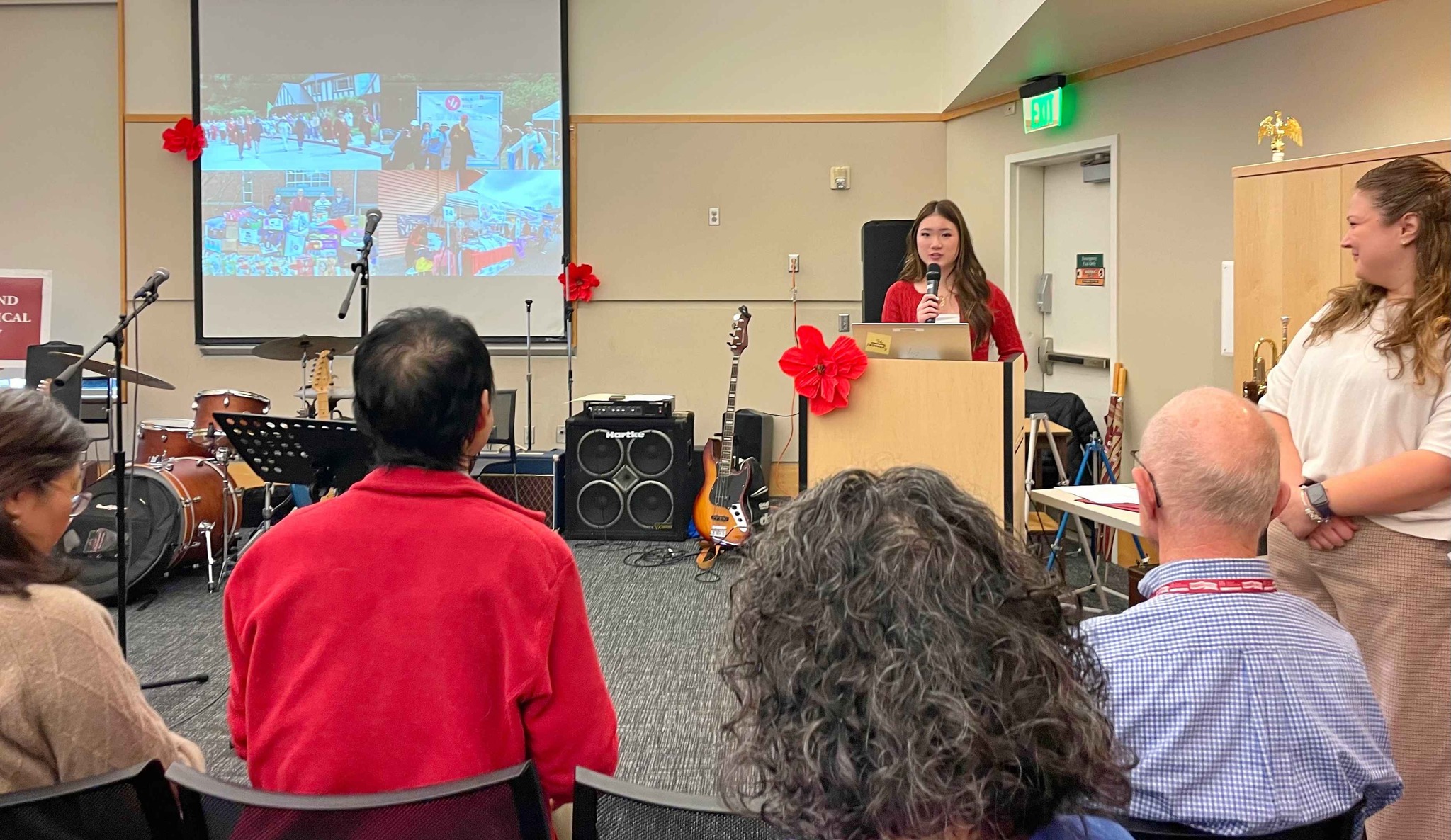
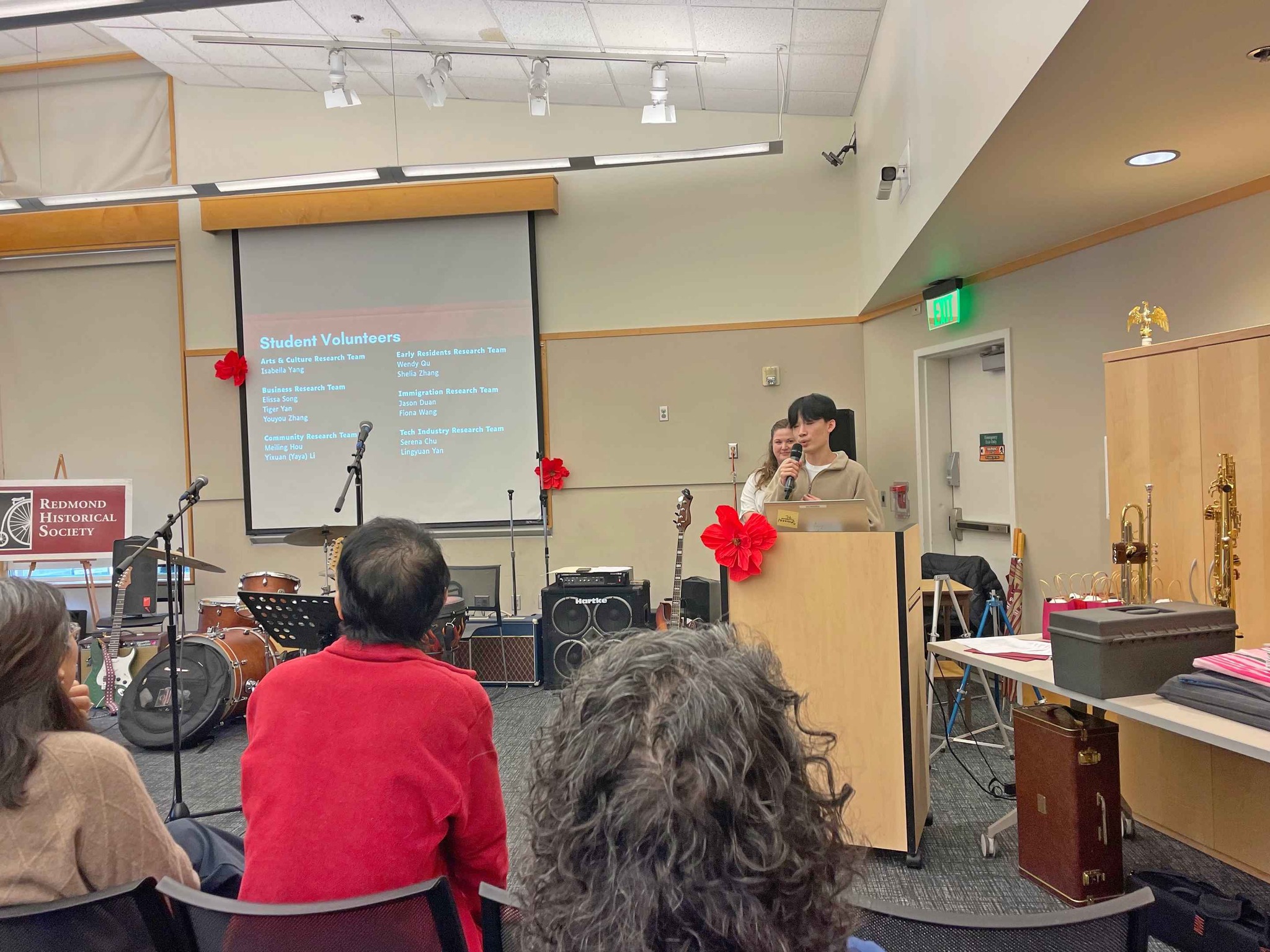
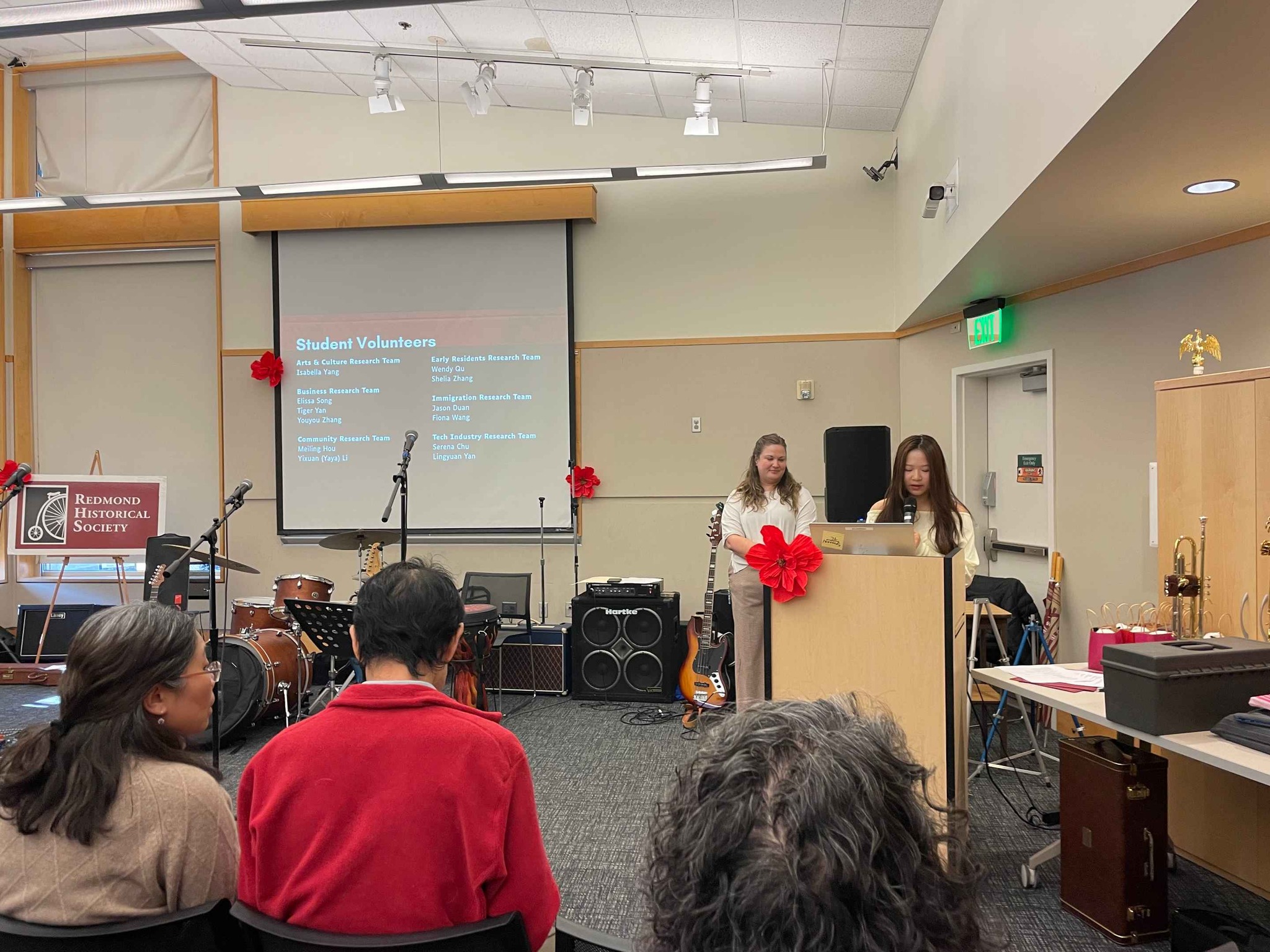
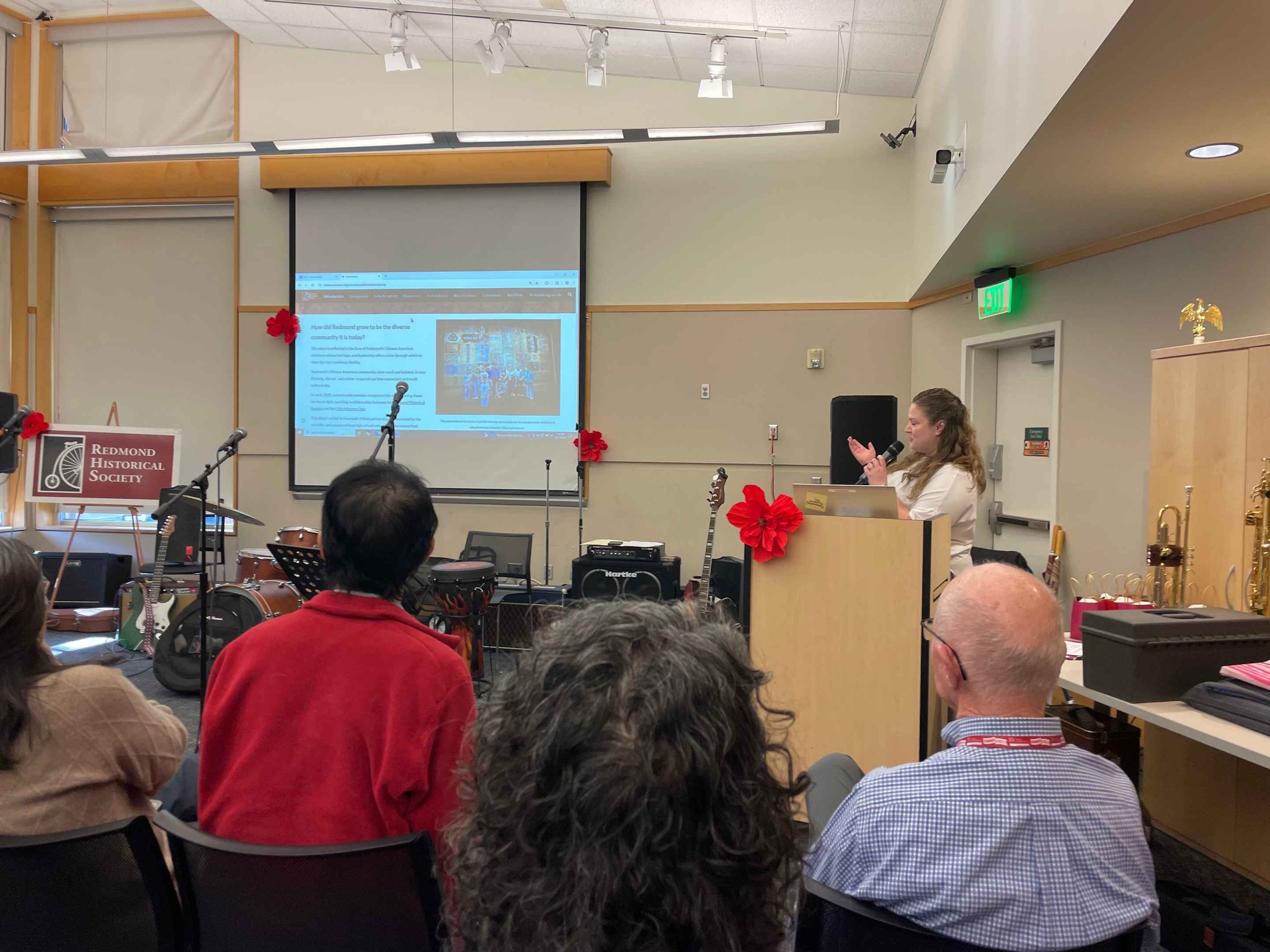
During her presentation, student researcher Meiling expressed special gratitude to the temple for its long-standing contributions to the community. Photographs of the temple’s activities were displayed on the screen, allowing the younger generation to witness the meaningful intersection of faith, culture, and immigrant life.
A Reunion of “Yuan Fen” After 28 Years
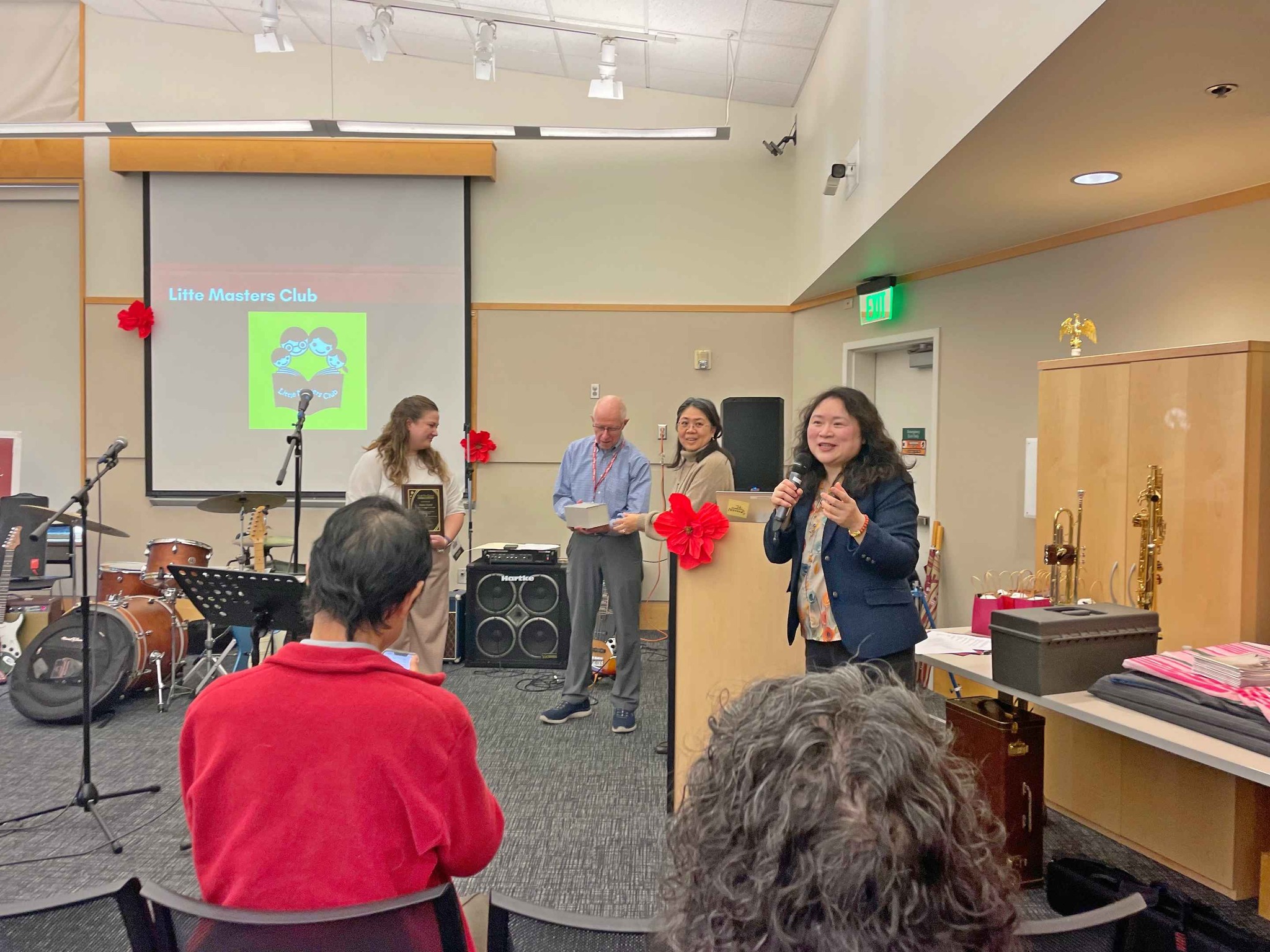
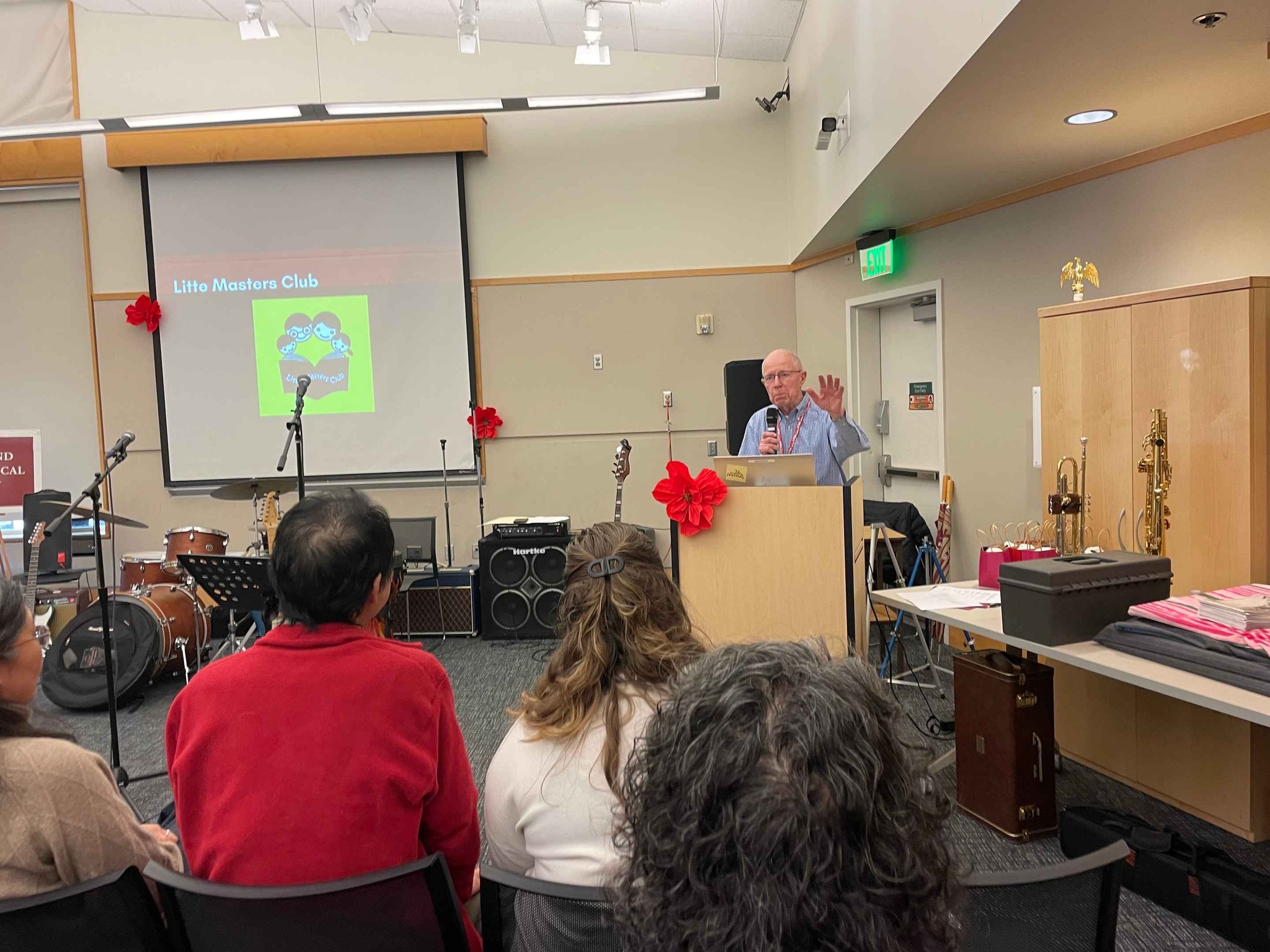
In his speech, Master Lianchi shared a touching story: on November 14, 1997, the temple donated a collection of books written by its founder, Living Buddha Liansheng, to the Redmond Library. Twenty-eight years later, standing once again in the same library to speak at this historic exhibition, he deeply felt the Chinese wisdom of “yuan fen” (a destined connection)—a bond that brings people, places, and hearts together across time. His remarks concluded amid warm and sustained applause from the audience.
Following the speech, Ms. Li Chen praised the meaningful message and presented a charming panda plush as a token of appreciation, symbolizing the warmth and friendship of Chinese culture. She also expressed that if the temple hosts related cultural or community events in the future, the Little Masters Club would be delighted to participate and collaborate in promoting mutual exchange.
A Bridge Across Generations
The organizers emphasized that this exhibition, driven by the curiosity and passion of local high school students, not only reflects on the past but also inspires the future. The Little Masters Club is committed to nurturing young researchers, and the participation of Meiling, Yixuan, and other students stands as a strong example of passing on the torch of history.
LSCTT likewise hopes that through this platform, more people will come to understand the journeys and spiritual values of Chinese immigrants in Redmond.
Completion and Outlook
From the initial interview in August 2025 to the launch of the digital exhibition in January 2026, this journey has demonstrated the positive interaction among academia, community, and religious institutions. LSCTT feels deeply honored to be part of this research initiative and looks forward to continued collaboration with local organizations, so that compassion, culture, and history may continue to flourish in Redmond.
May understanding, friendship, and goodwill continue to flow throughout this city.
Appendix
Dear friends of the Redmond Historical Society, Little Masters Club, and honored guests,
Good afternoon!
On behalf of Ling Shen Ching Tze Temple, also known as Lei Tsang Temple, we are truly honored to participate in this project. This exhibition reminds us that history is not only about the past, but about the kindness and contributions of many communities walking together.
We sincerely thank the student researcher Meiling for sharing our temple’s story and for highlighting our community and charity work. Your passion shows that the next generation is becoming the bridge between cultures and histories.
Last night, as I was reviewing our temple’s history, I came across a meaningful moment from November 14, 1997—more than 28 years ago—when our temple donated a collection of books written by our founder, Grandmaster Sheng-Yen Lu, to the Redmond Library. Today, as I stand here in this very same library to speak, I deeply feel the Chinese wisdom of yuan fen (緣分)—a beautiful, destined connection that brings people, places, and hearts together across time.
May this project continue to inspire understanding, compassion, and friendship in Redmond. Thank you all.
Based on the research findings, the bilingual summary of this digital exhibition is organized into the following sections: Introduction, Immigration History, Early Settlers, Business Contributions, Technology Industry, Arts and Culture, Community and Faith, and Acknowledgements.
**********************************************************************
Research Report
Redmond's Historical Tapestry: Preserving Chinese American Legacies
Chapter 1: Introduction & Project Background
This digital exhibit, launched in early 2025, is a milestone collaboration between the Redmond Historical Society and the Little Masters Club. Researched by local high school volunteers, the project uncovers the underrepresented history of Chinese Americans in Redmond, documenting their journey from a small, isolated group to a vibrant and integral part of the city’s multicultural fabric.
Chapter 2: Immigration & Legal Challenges
The history of Chinese Americans in Redmond is inextricably linked to the labor needs of the Pacific Northwest and the exclusionary laws of the era.
Chapter 3: Early Chinese Residents in Redmond
A prominent figure who immigrated in 1922 and settled on Union Hill in 1948. He built his own home and was known for his “back-to-the-land” lifestyle, practicing Traditional Chinese Medicine and raising livestock in a distinctive manner.
Chapter 4: Business & Economic Contributions
Chinese entrepreneurship in Redmond evolved from survival-based services to modern, high-growth industries.
Chapter 5: The Tech Industry Wave
The 1980s marked a turning point with the arrival of major technology firms, drawing highly skilled Chinese professionals to Redmond.
Chapter 6: Arts, Culture & Literature
Chapter 7: Community Pillars & Faith
Chapter 8: Acknowledgements
By Meiling Hou
The Ling Shen Ching Tze Temple, also known as Lei Tsang Temple, is located at 17012 NE 40th Ct, Redmond, and was established in 1985. This year marks its 40th anniversary.
The founder, Living Buddha Liansheng Grandmaster Lu (original name: Sheng-Yen Lu), was born and raised in Taiwan before moving to Seattle at the age of 38. He earned a Bachelor of Science degree in geological surveying, served as a military major, and once taught Sunday school at a local Christian church.
At the age of 26, however, he experienced a miraculous event that opened his celestial eye. He subsequently dedicated years to studying Taoism, exoteric Buddhism, and Vajrayana Buddhism, growing under the guidance of highly realized spiritual mentors. Using Taoist practices, intuitive insight, and divination, he helped people in distress, transformed their destinies through feng shui, taught the law of cause and effect and inevitable retribution, and guided many to study Buddhism. During this period, many disciples began to follow him.
In 1982, after traveling around the world, Grandmaster Lu chose to settle in Seattle to cultivate the True Buddha Vajrayana. Eight disciple families immigrated with him. They purchased a piece of land in Redmond from a local landlord, built eight houses along a cul-de-sac, and reserved the largest central plot for the temple. This marked the beginning of the Redmond Lei Tsang Temple.
In the 1980s, there were still very few Chinese immigrants in Seattle, and even fewer Buddhists. At the beginning, Grandmaster Lu and his family lived in Ballard. Guided by Avalokitesvara Bodhisattva, he came to Redmond and, by chance, discovered the site where the Ling Shen Ching Tze Temple now stands. He recognized its superb geomancy (feng shui) as a true “dragon land”: a prominent “dragon head” hill with a solid backing (later the site of Microsoft), a bright “water mirror” in front (Lake Sammamish), protective arms on either side, and a beautiful “table mountain” reflected in the water. It was an ideal, pure, and solemn site for a Dharma hall for worship.*
Construction began on May 8, 1983. The eight disciple families established a religious organization and received approval from the Washington state government to build a temple. The design plan was submitted to the Redmond City Planning Commission for review. Unexpectedly, it was at this stage that they encountered their greatest setback.
Since Lei Tsang Temple was to be the first Chinese Buddhist temple in Redmond’s history—and given that the United States was founded as a Christian nation—many residents attended the public hearings to voice their concerns and resistance. Their worries included lighting disturbing the peace at night, obstructed views, the noise of bells and drums, declining property values, increased traffic congestion, fire safety risks, and more.
Over the course of three years, the temple organizers participated in twelve public hearings and provided countless explanations to local residents. In the end, the plan was approved, though the size of the temple was significantly reduced from the original design.
On September 14, 1985, the first Lei Tsang Temple was officially completed and consecrated in Redmond, Washington, and the number of disciples increased to more than 30,000 worldwide. On March 19, 1986, Grandmaster Lu formally received monastic ordination and tonsure. By the year 2000, the number of disciples had surged to 5,000,000 globally.
Every weekend, 200 to 300 disciples attended the Dharma assemblies at the Redmond temple, while the annual grand ceremonies drew tens of thousands of followers from around the world. Disciples included the first generation, their now 40- to 50-year-old children, as well as the third generation—many young people in their teens and twenties who came with their families to the temple.
Today, there are more than 100 Lei Tsang Temples, over 400 chapters, and countless Dharma practice groups established worldwide. The second Lei Tsang Temple in Washington, the Rainbow Temple, was established in North Bend in 1991. Each temple operates independently in terms of finance and administration, while supporting one another spiritually.
The Redmond Lei Tsang Temple is not limited to its own religious activities; it has also been actively involved in community service and charitable work. For example, from its early years, the temple supported the Disabled American Veterans, the Seattle Fire Department, Kin On Health Care Center, the Chinese Information and Service Center (CISC), Icra-Yat Sen Chinese School, and the University of Washington East Asian Library through donations. It also hosted memorial services for 9/11 victims in New York.
Since 1997, the temple has participated annually in the Walk for Rice fundraising event for the Asian Counseling & Referral Service (ACRS) Food Bank and has donated winter clothing to Thurgood Marshall Elementary School and the Facing Homelessness Center through the Winter Relief program. Additionally, it has organized numerous health lectures, educational programs, cultural exhibitions, and community fun fairs.
In 2008, Grandmaster Lu founded the Sheng-Yen Lu Foundation (SYL Foundation), driven by the belief that the practice of compassion is an essential part of Buddhism and of life. Based on this mission, the SYL Foundation “primarily focuses on serving low-income immigrant and refugee communities in Washington’s King, Pierce, and Snohomish counties. The grants benefit all people regardless of religion, race, age, national origin, ethnicity, gender, physical ability, sexual orientation, or political affiliation.”**
The foundation established several programs to advance its mission: the Health and Education grants, providing equitable access to healthcare and education for immigrants and refugees; the Lotus Scholarship Program, offering scholarships for immigrant students to pursue higher education; the Justice Fund, assisting immigrants and refugees facing inequities and injustices; and the Rapid Response Fund, responding to emergent needs of immigrant- and refugee-serving nonprofit organizations.
In August 2024 alone, Ling Shen Ching Tze Temple donated $200,000 to the SYL Foundation to support healthcare and educational opportunities for immigrants and underserved groups. Since 2008, the foundation has awarded over $14,000,000 in grants to community organizations and health institutions, helping immigrants and refugees access healthcare, education, and legal services. Additionally, 101 students from 36 countries have received scholarships to pursue higher education.***
Grandmaster Lu is also a romantic and diligent poet, writer, and artist. To date, he has written 306 books, including poetry, prose, essays, and reflections on Buddhism. Stacked together, these books would reach a height of 4.2 meters (13′9″)—an achievement that many people could never hope to attain in a lifetime.
*True Buddha Dharma Flows Throughout the Ten Directions -- A Retrospective Special Edition of Ling Shen Ching Tze Temple, August 2008 Edition, Page 37
**https://sylfoundation.org/abut/
***Data provided by Master Lianchi via email communication.
Note: This research report is based on the August 12, 2025, interview of Master Lianchi conducted by Meiling and Yixuan, information from the official website of Ling Shen Ching Tze Temple in Seattle, and written materials provided by Master Lianchi.

You are now formally a member. Please sign in to fully utilize your privileges.
We will send an authentication letter to your registered email account. Please verify that you have received the letter in your inbox. The authentication letter will be mailed within 5-10 minutes after registration. If you do not receive the authentication letter, please check if the letter is located in Spam.


 English